reformatum et amplificatum
reformatum et amplificatum | Libri antichi e moderni | MUSEAUM HERMETICUM
reformatum et amplificatum
reformatum et amplificatum | Libri antichi e moderni | MUSEAUM HERMETICUM
Metodi di Pagamento
- PayPal
- Carta di Credito
- Bonifico Bancario
- Pubblica amministrazione
- Carta del Docente
Dettagli
- Anno di pubblicazione
- 1749
- Luogo di stampa
- Franckfurt and Leipzig
- Autore
- MUSEAUM HERMETICUM
- Editori
- n.pr.
- Soggetto
- Miscellanea di opere minori
- Stato di conservazione
- Buono
- Lingue
- Italiano
- Legatura
- Rilegato
- Condizioni
- Usato
Descrizione
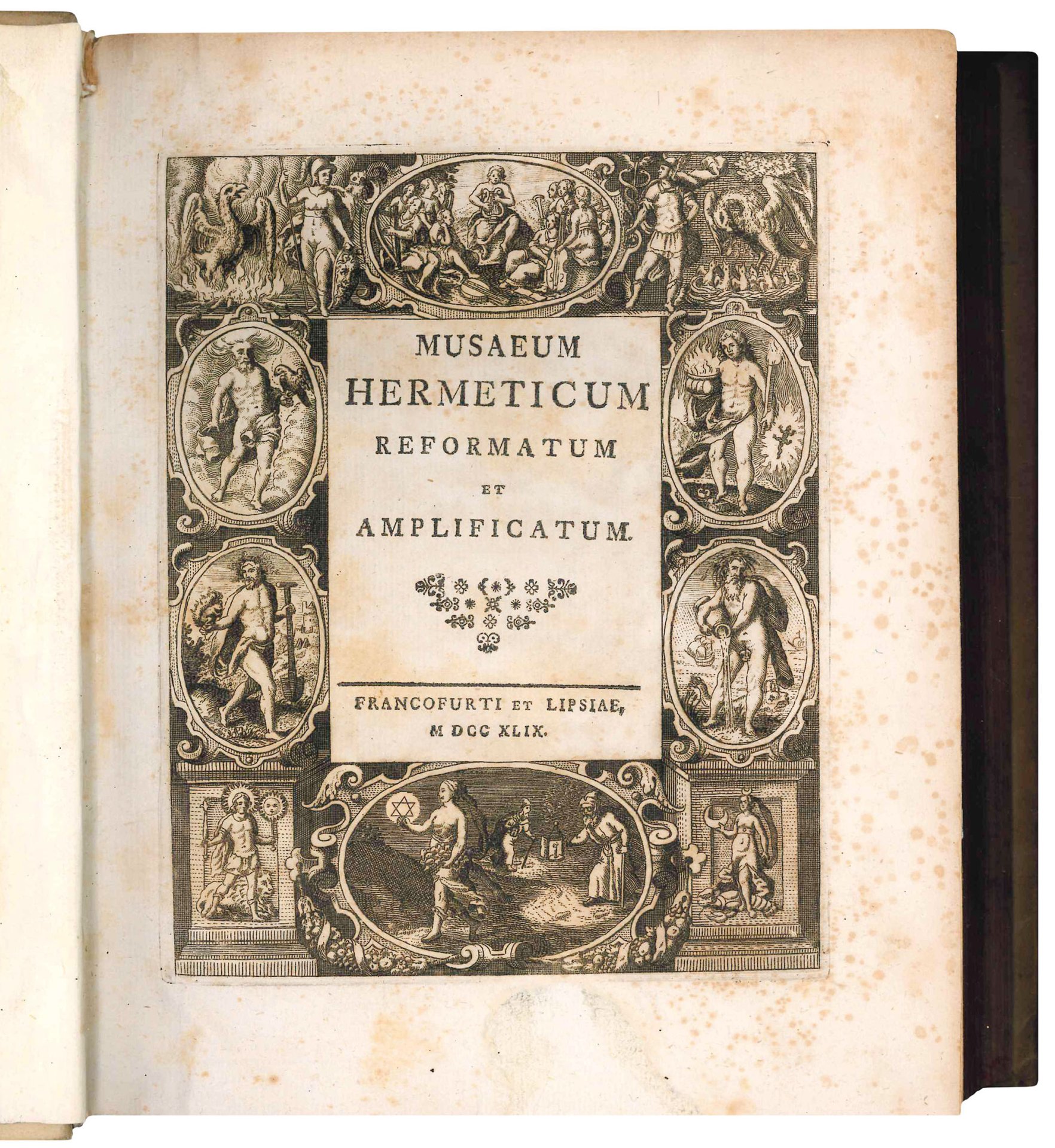
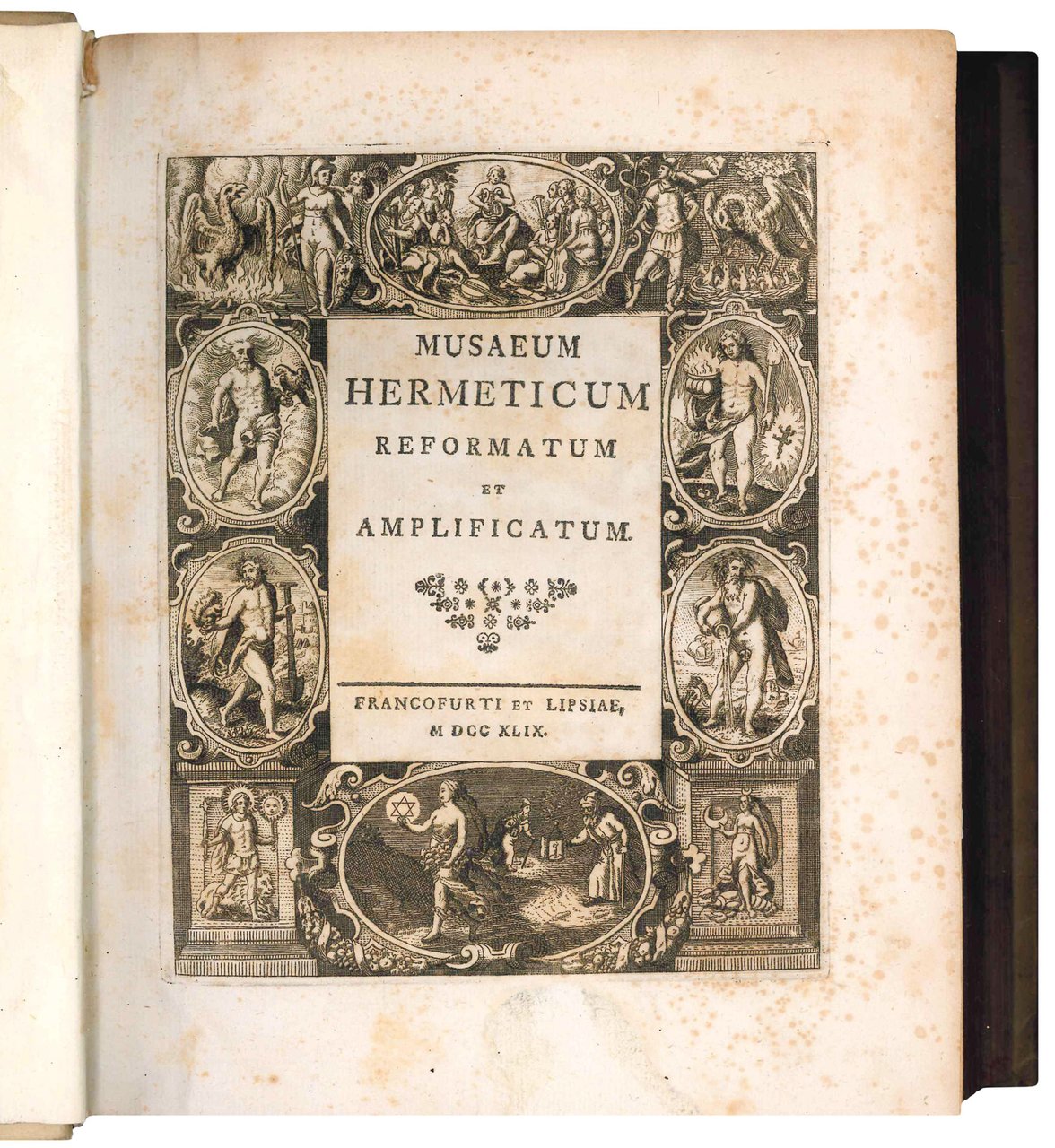
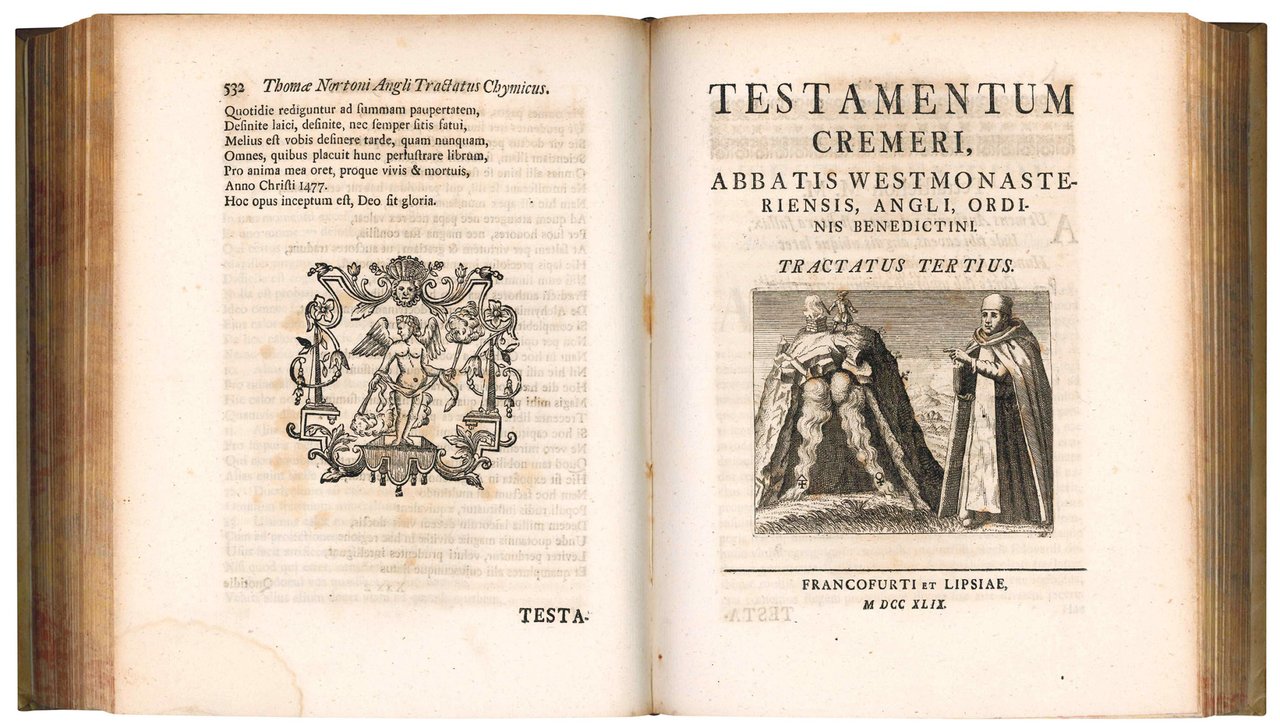
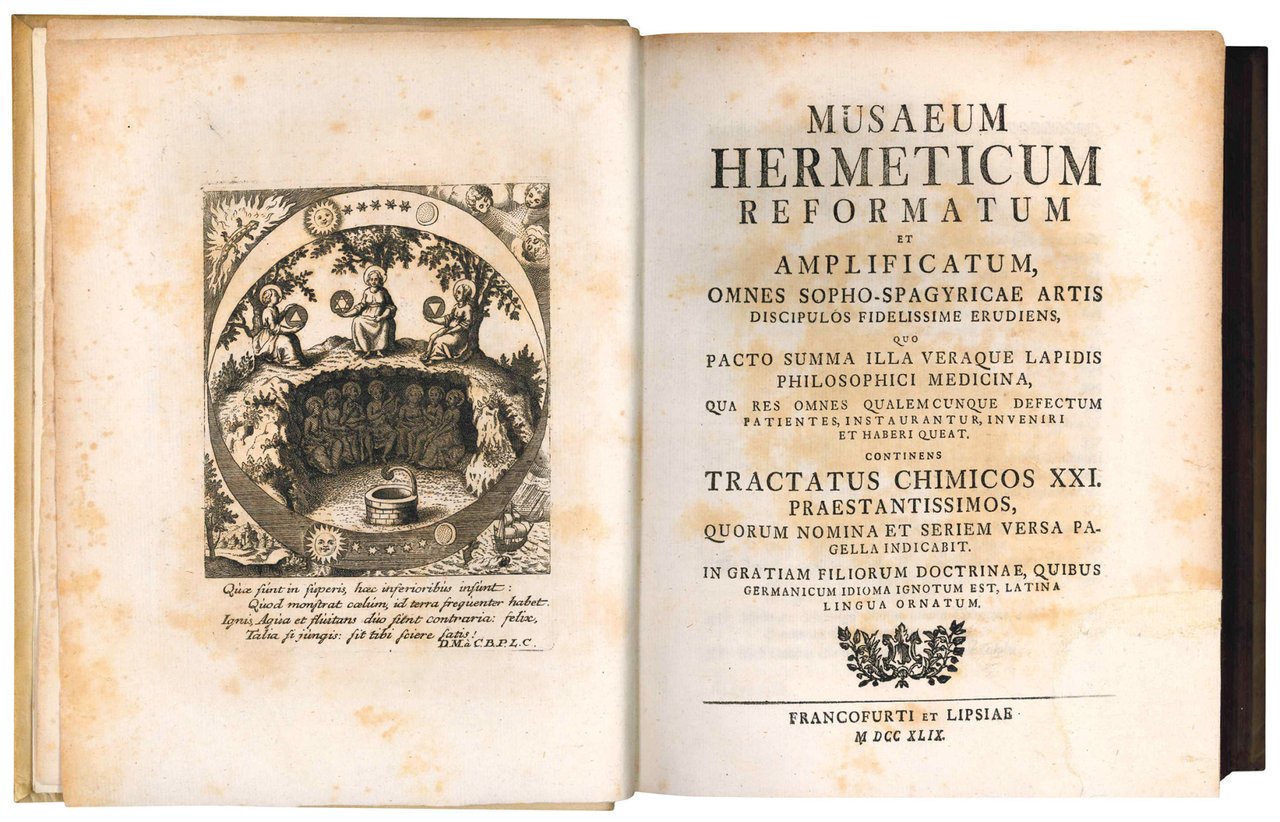
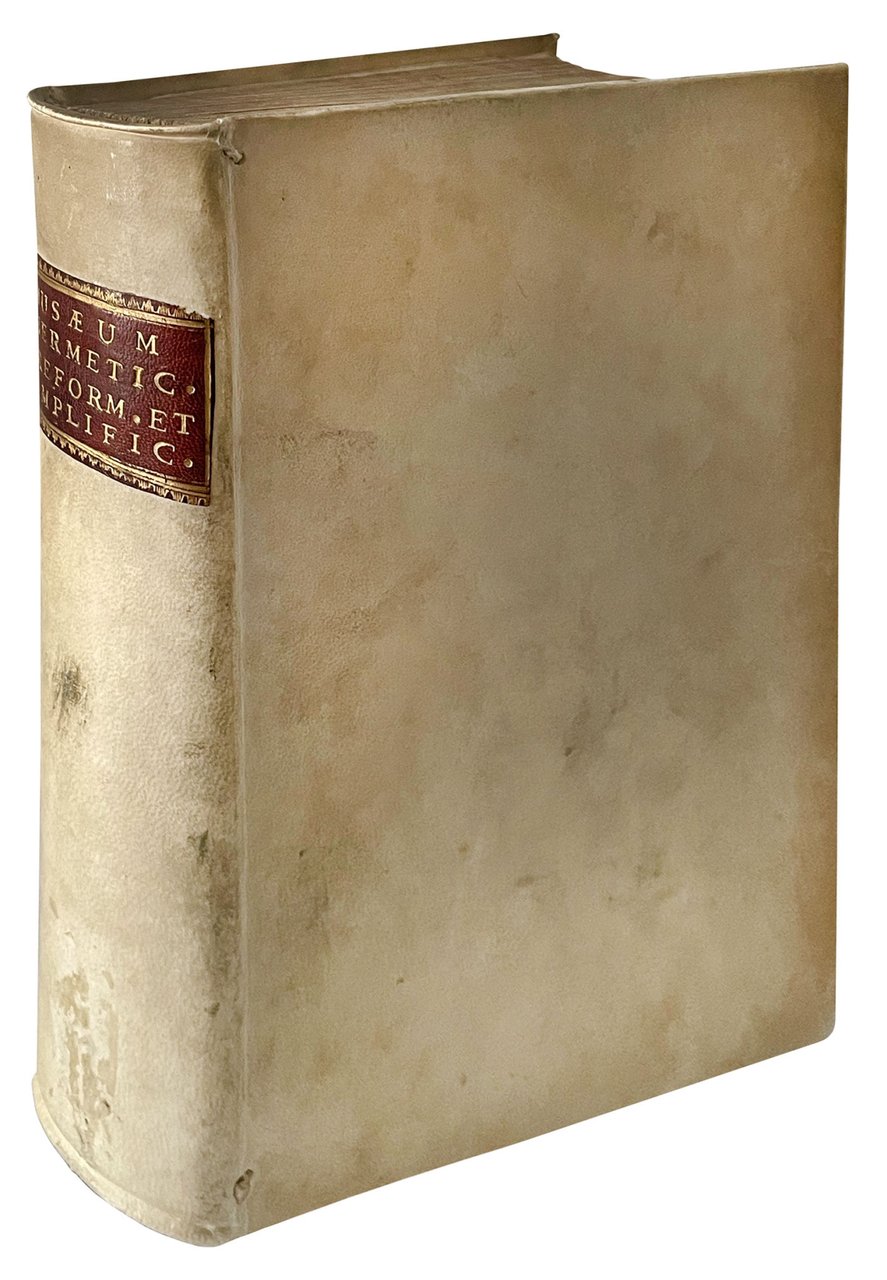
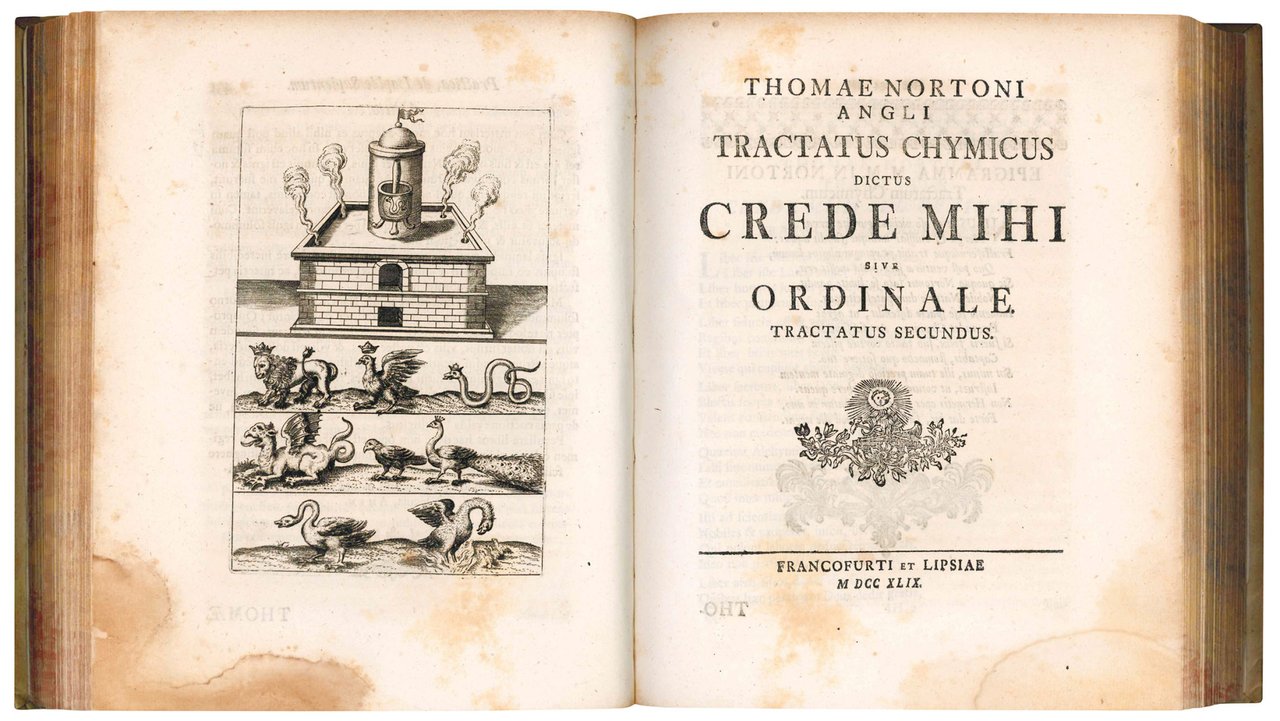
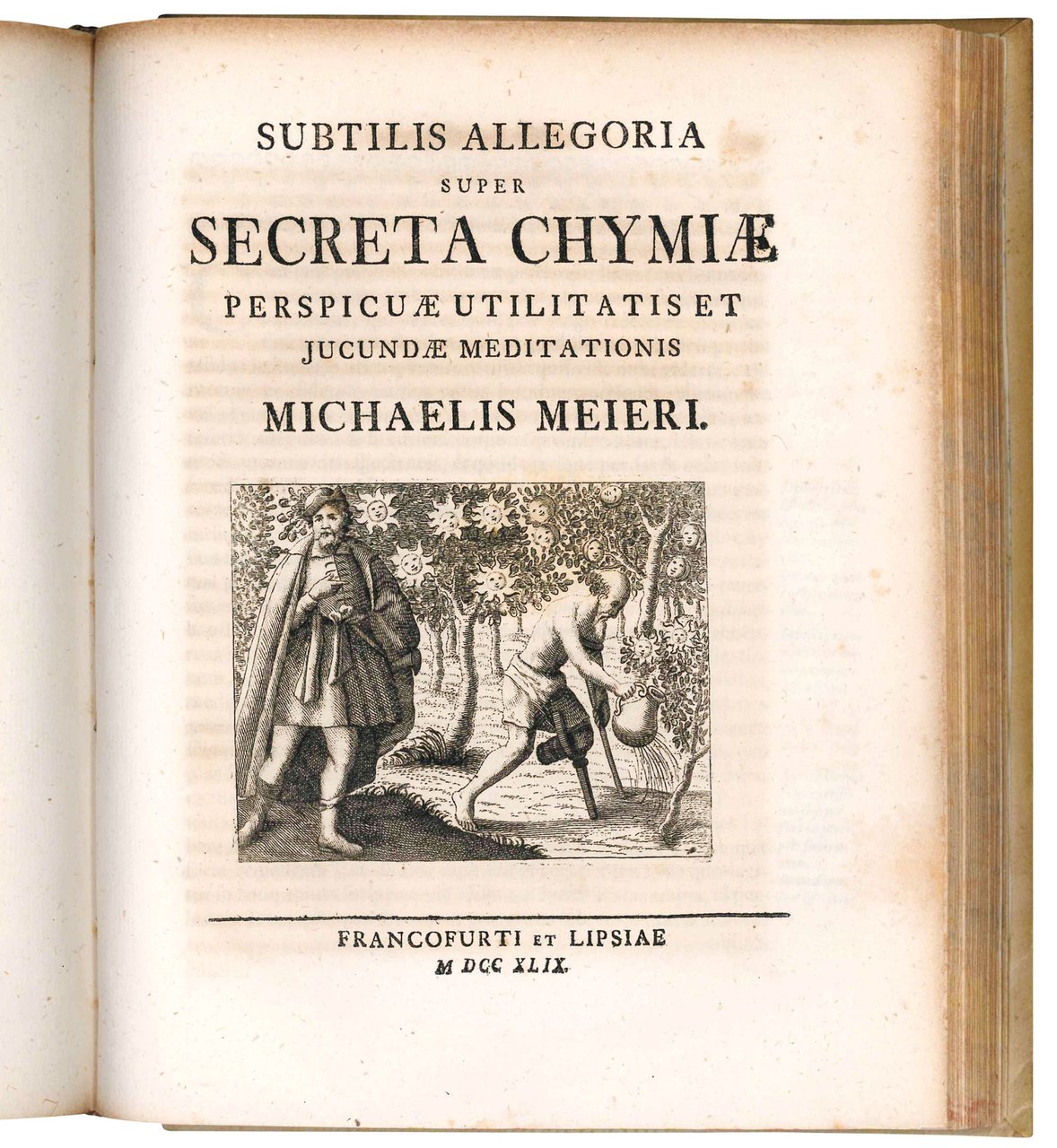
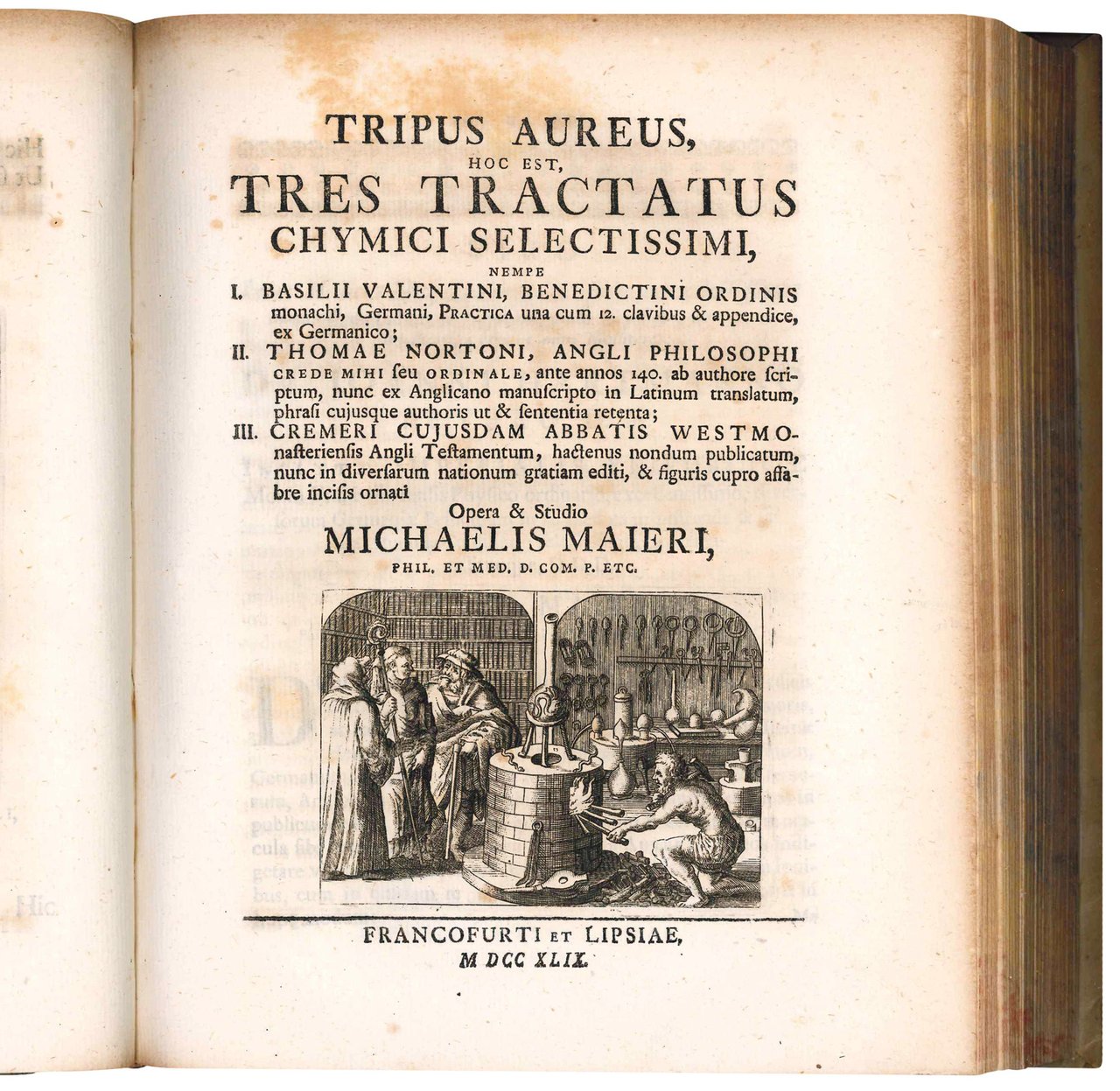
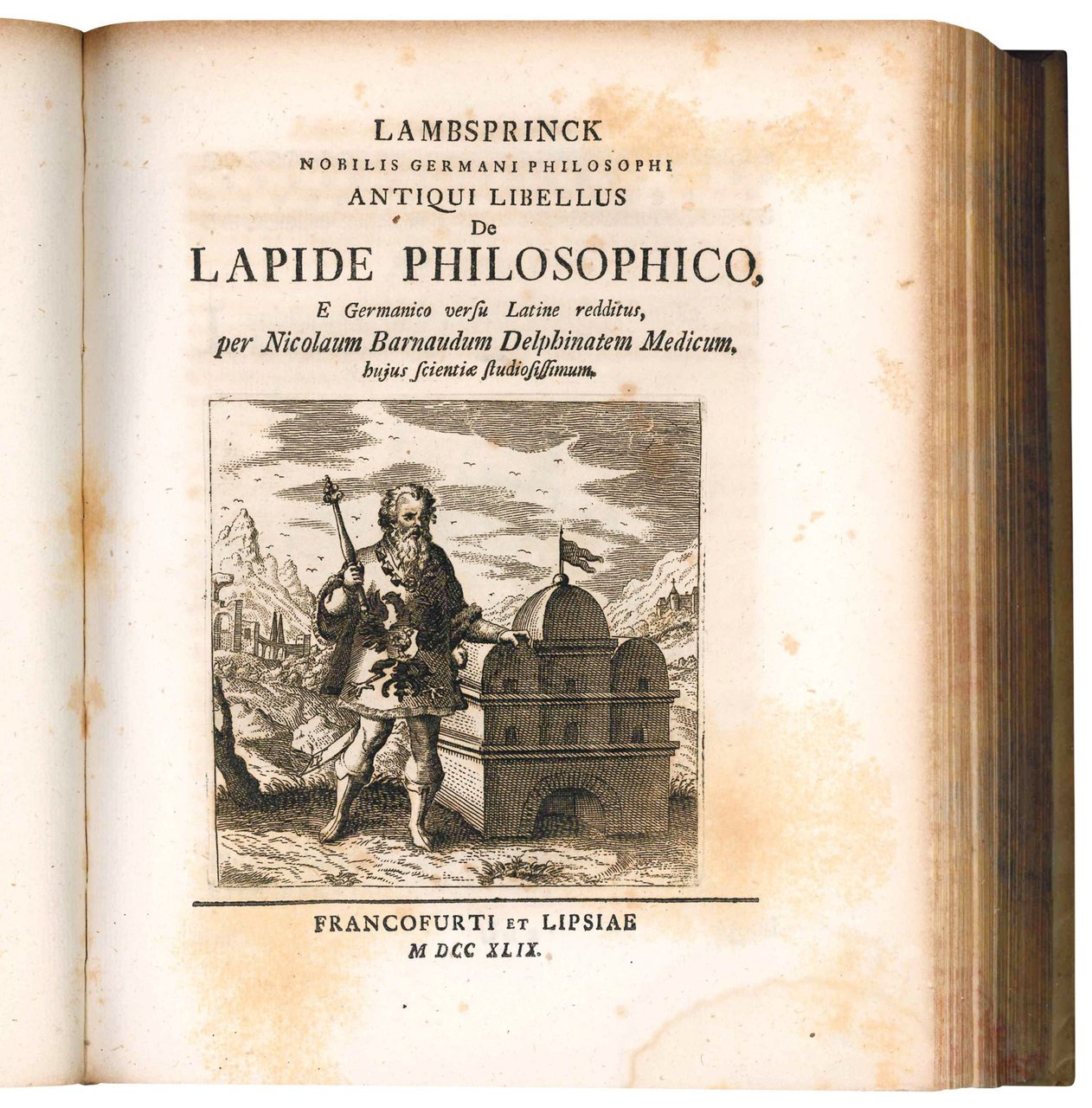
4to (227 x 175 mm). [12], 862 pp. Collation: π² ):(⁴ A-Z⁴ Aa-Zz⁴ Aaa-Zzz⁴ Aaaa-Zzzz⁴ Aaaaa-Qqqqq³. Lacking the final leaf and the four engraved folding plates. Contemporary stiff vellum, lightly stained. Red morocco lettering piece on spine. Spinkled edges. Engraved title page, engraved frontispiece and several engraved illustrations in the text. Woodcut historiated initials, head- and tail-pieces. It comprises 21 sections, each with its illustrated title page. Light browning throughout and some staining to the lower margin of several leaves, small hole on the last leaf and a few paper losses on some leaves not affecting the text. Restoration to the lower outer corner of the title page and on page 65 with no loss of text.
Third edition. Published in Frankfurt in 1678 (after a first reduced edition in 1625 called Musaeum Hermeticum), the Musaeum Hermeticum Reformatum et Amplificatum is one of the most influential compilations of alchemical literature produced in early modern Europe. Edited anonymously, it assembles a selection of key Latin treatises from the hermetic tradition, including works attributed to prominent alchemical authorities. Richly illustrated in some editions, the work became a standard reference for alchemists, scholars, and collectors. The volume reflects the intellectual climate of the seventeenth century, when alchemy stood at the intersection of natural philosophy, medicine, religion, and esoteric thought. Today, it is regarded as a landmark source for the study of alchemical symbolism and the transmission of hermetic knowledge.
Italian Union catalogue, IT\ICCU\TO0E\127054.