OVIDE. La métamorphose d'Ovid figurée
OVIDE. La métamorphose d'Ovid figurée | Libri antichi e moderni |
OVIDE. La métamorphose d'Ovid figurée
OVIDE. La métamorphose d'Ovid figurée | Libri antichi e moderni |
Metodi di Pagamento
- PayPal
- Carta di Credito
- Bonifico Bancario
- Pubblica amministrazione
- Carta del Docente
Dettagli
Descrizione
La métamorphose d'Ovide figurée
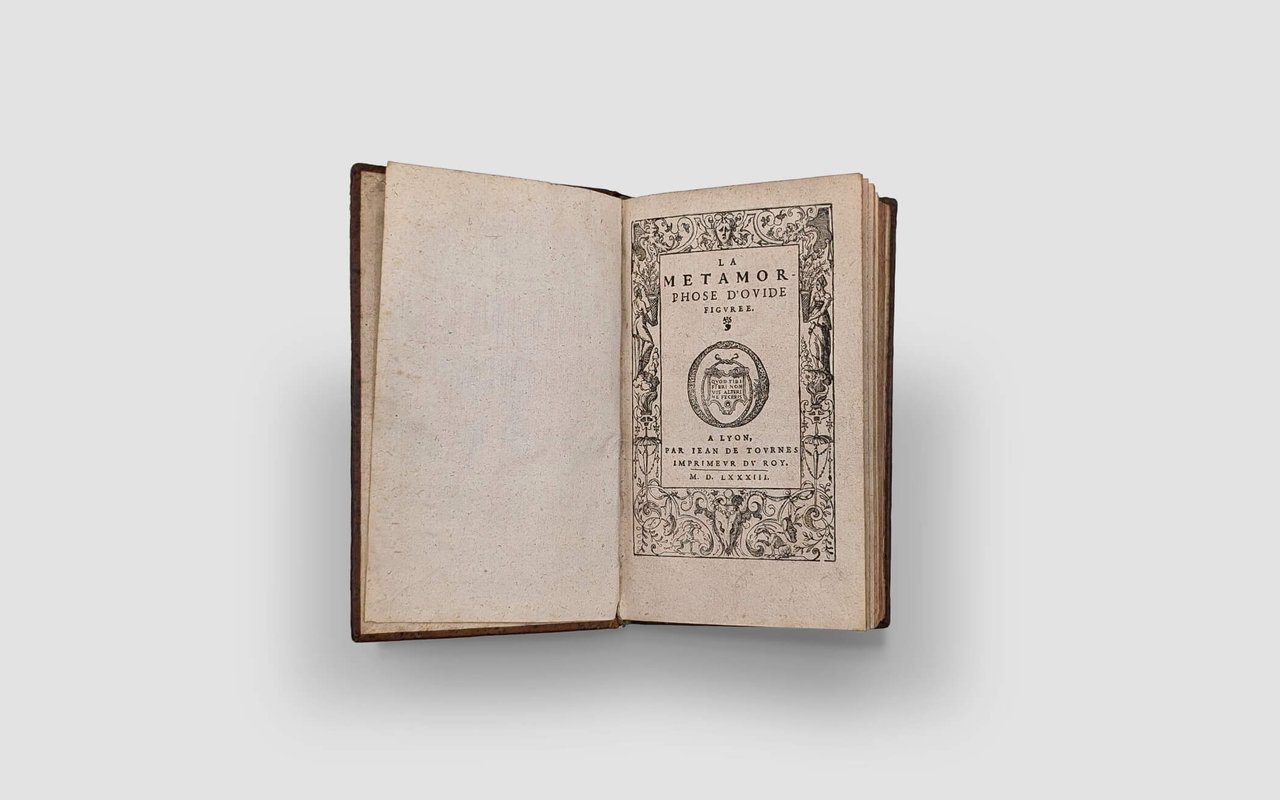
Lyon, by Jean de Tournes, Printer to the King. 1583.
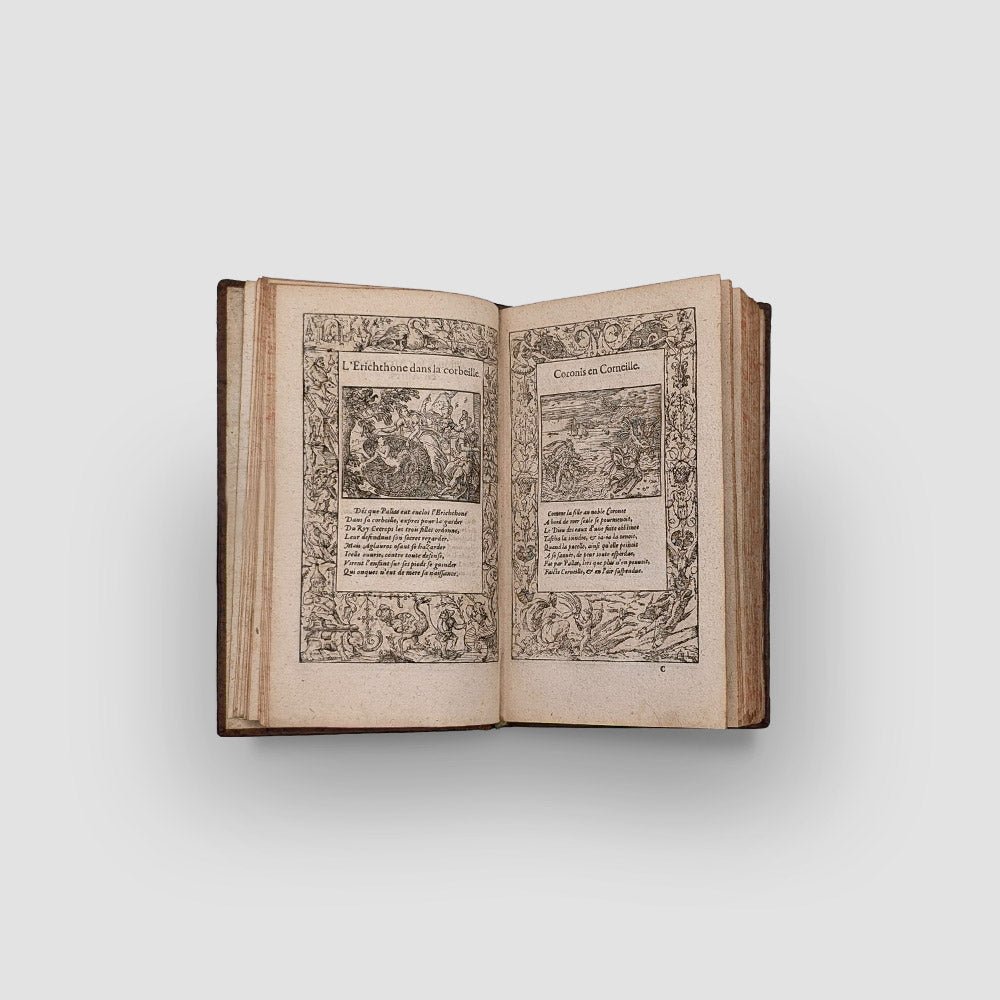
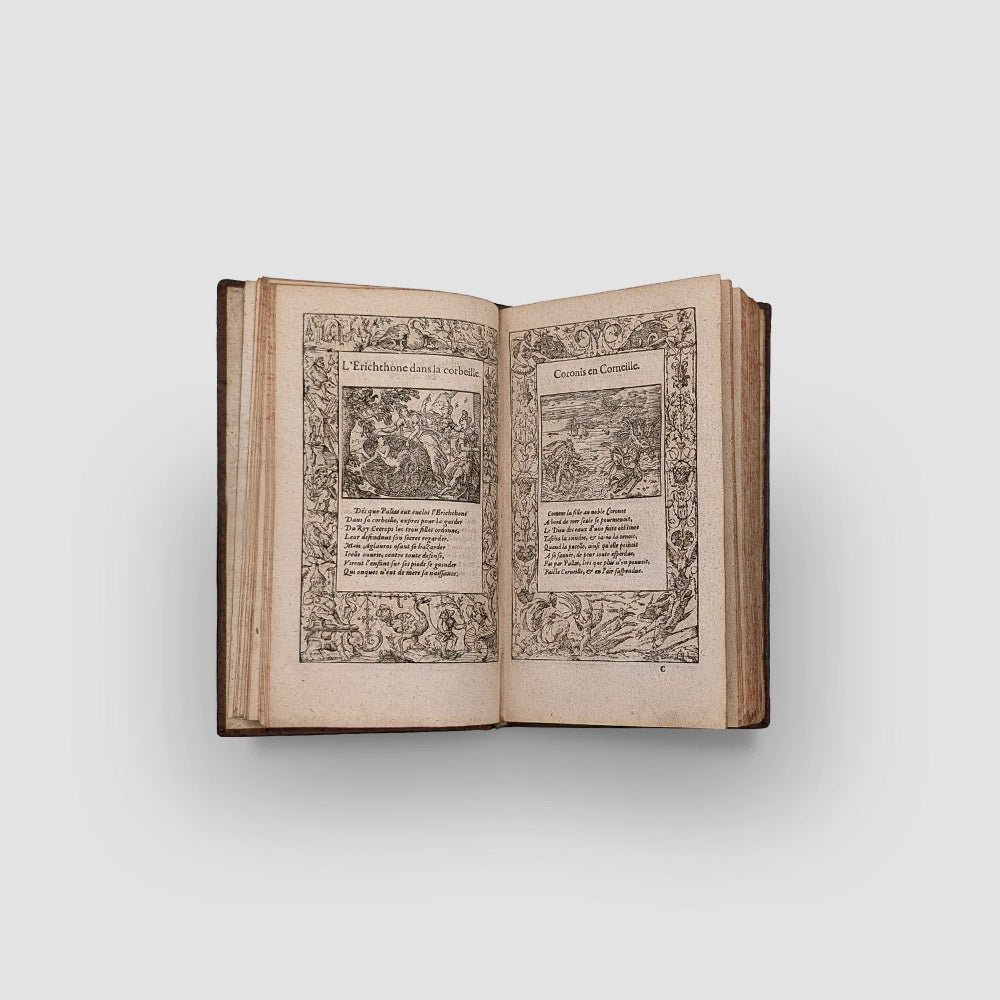
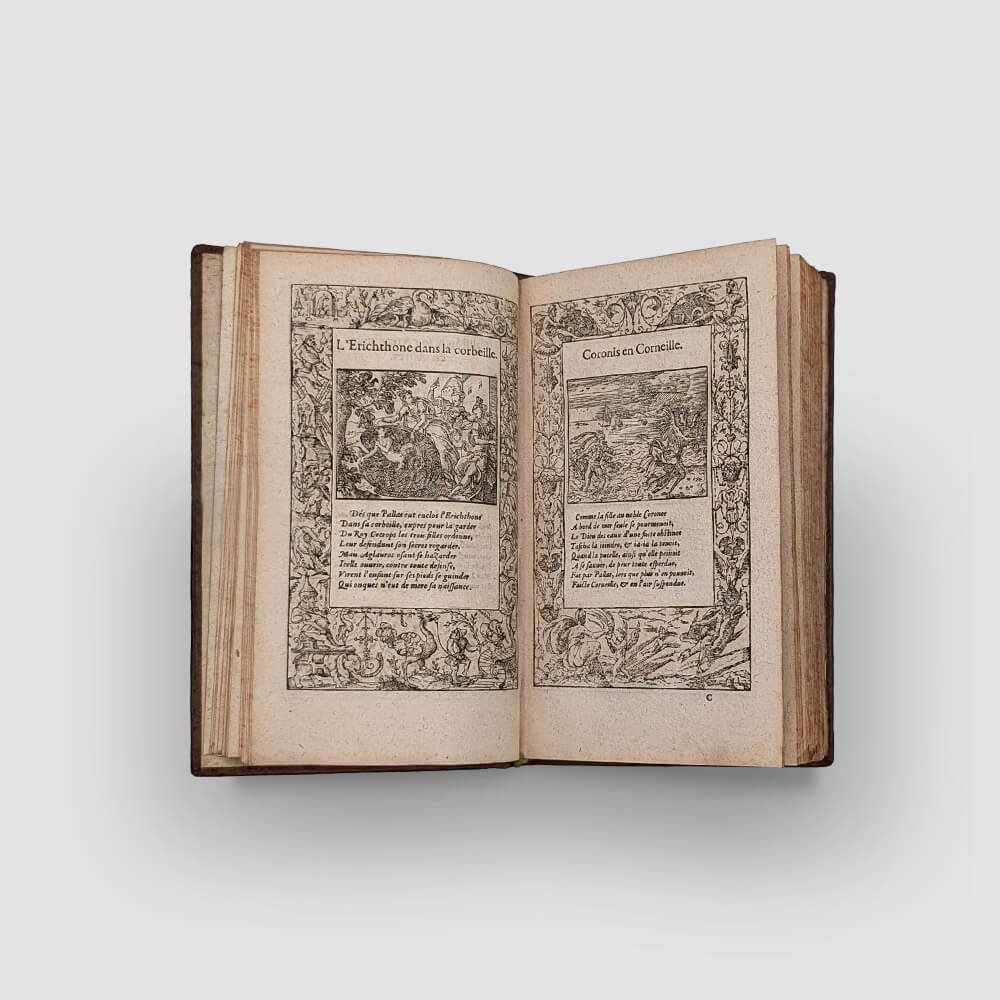
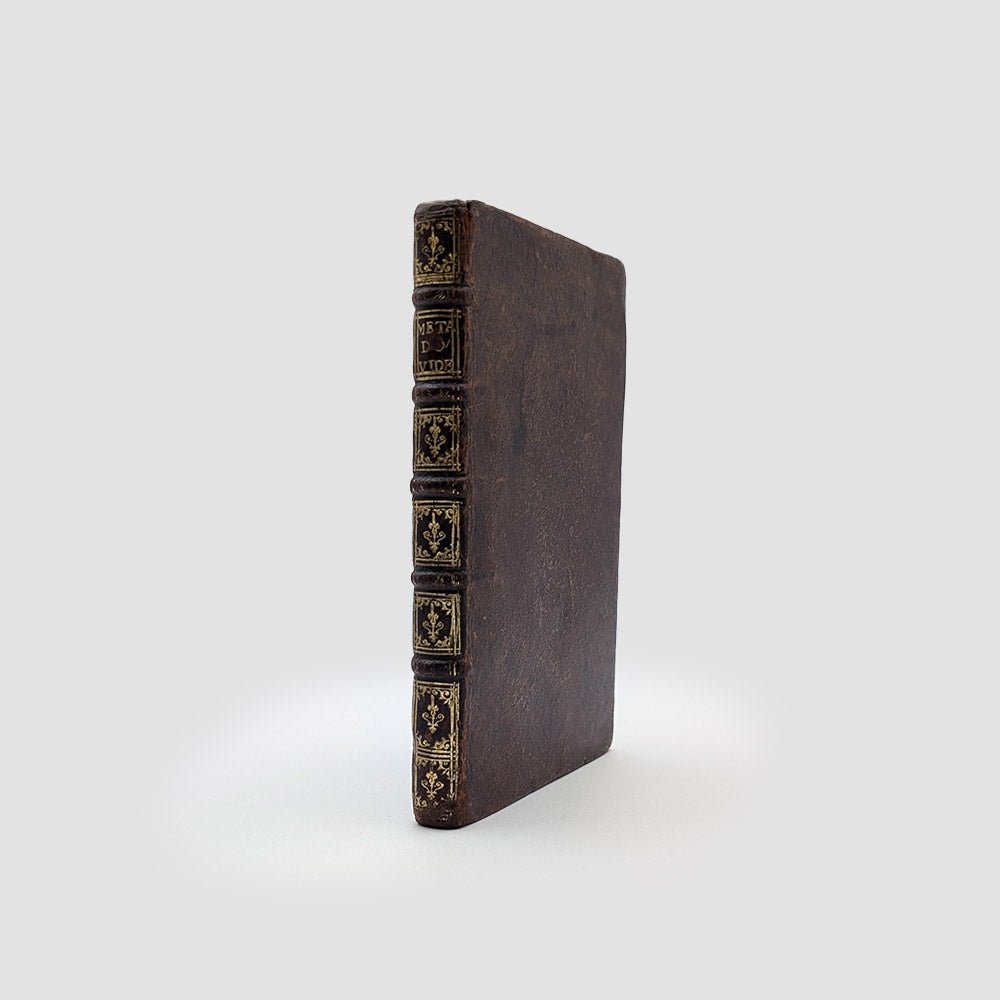
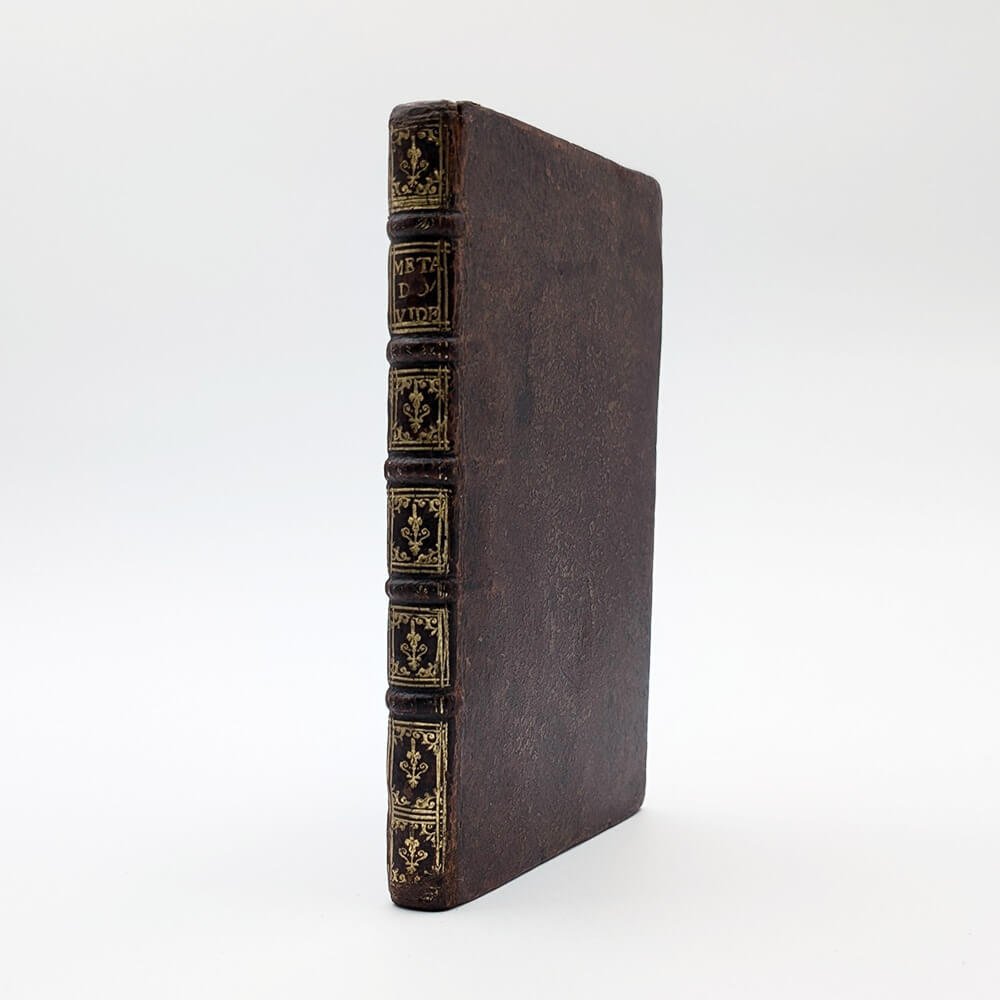
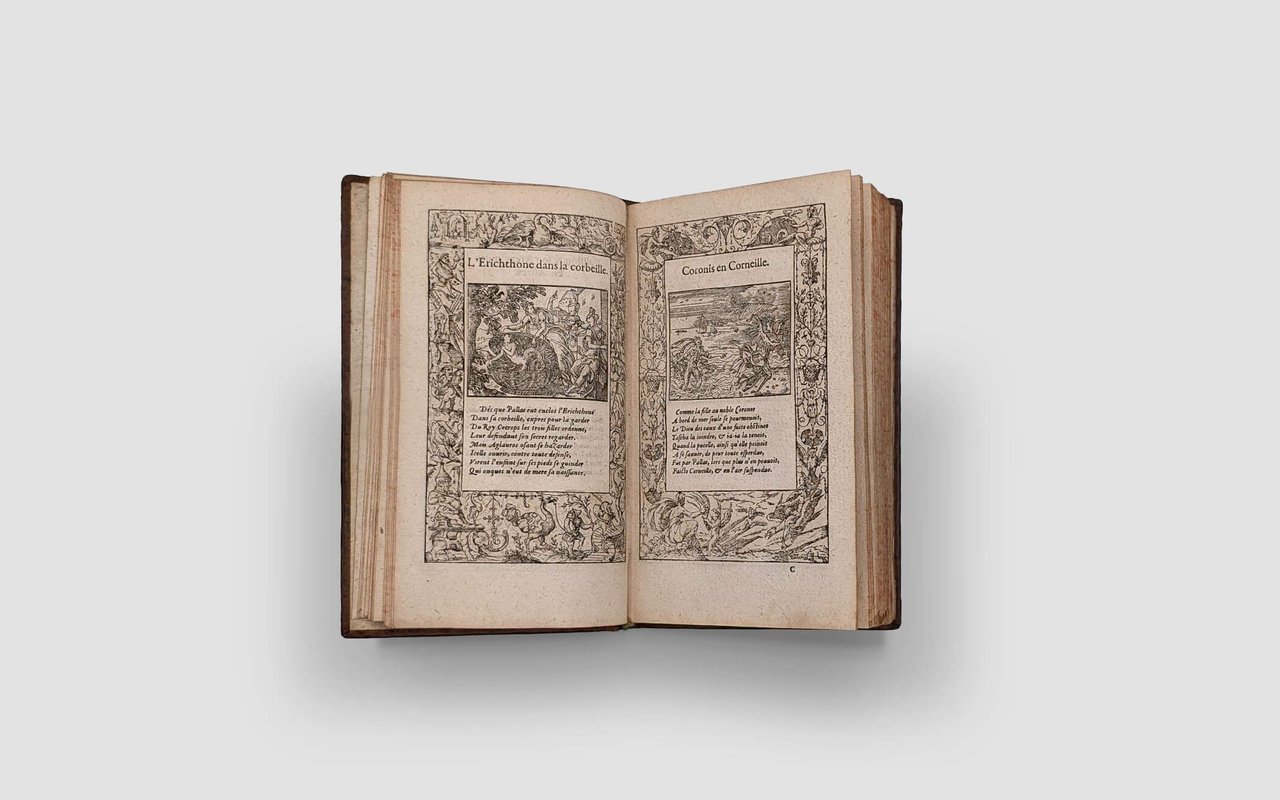
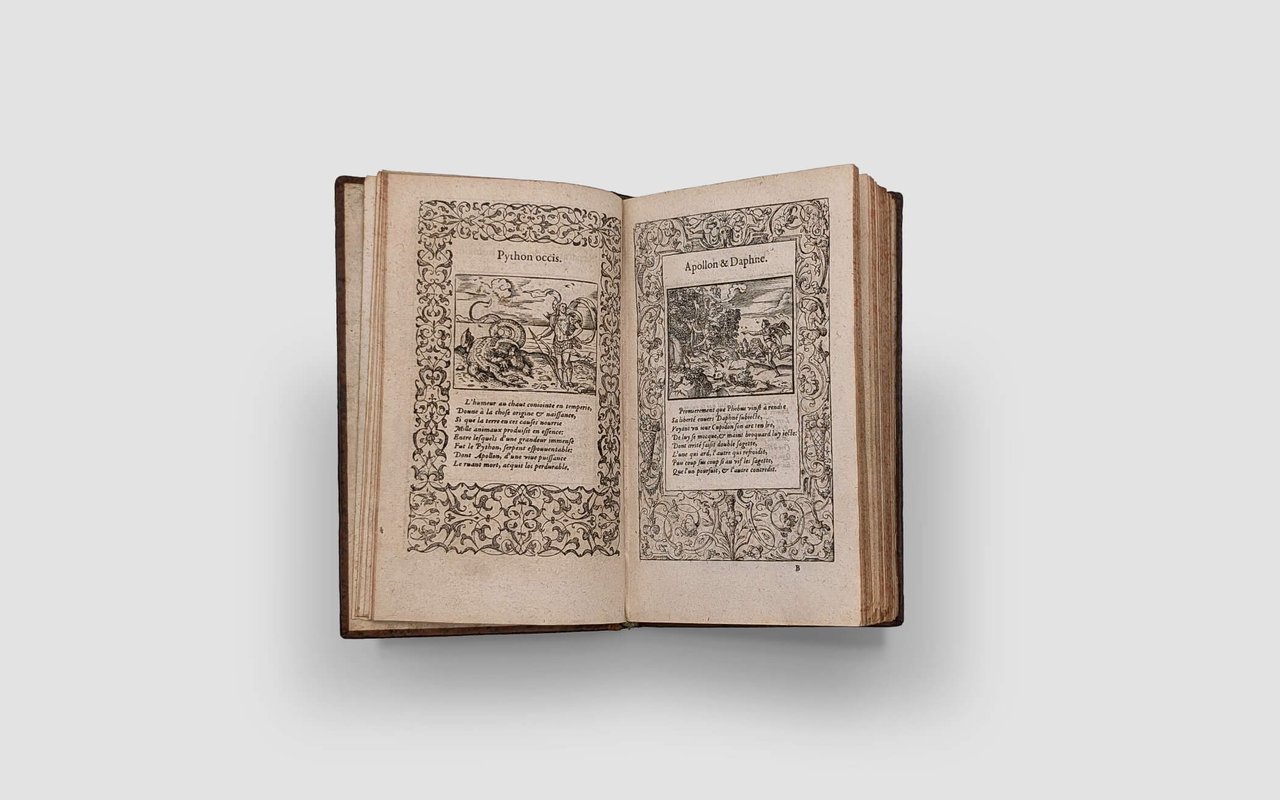
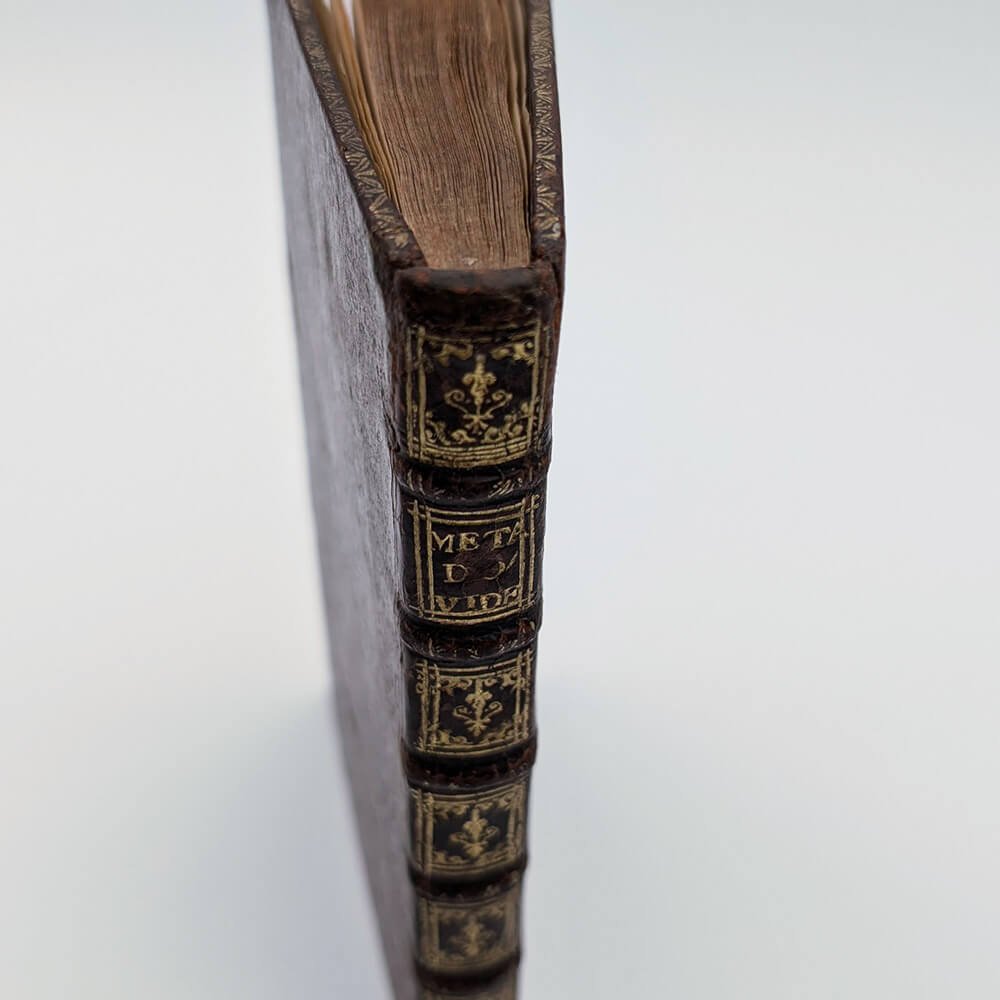
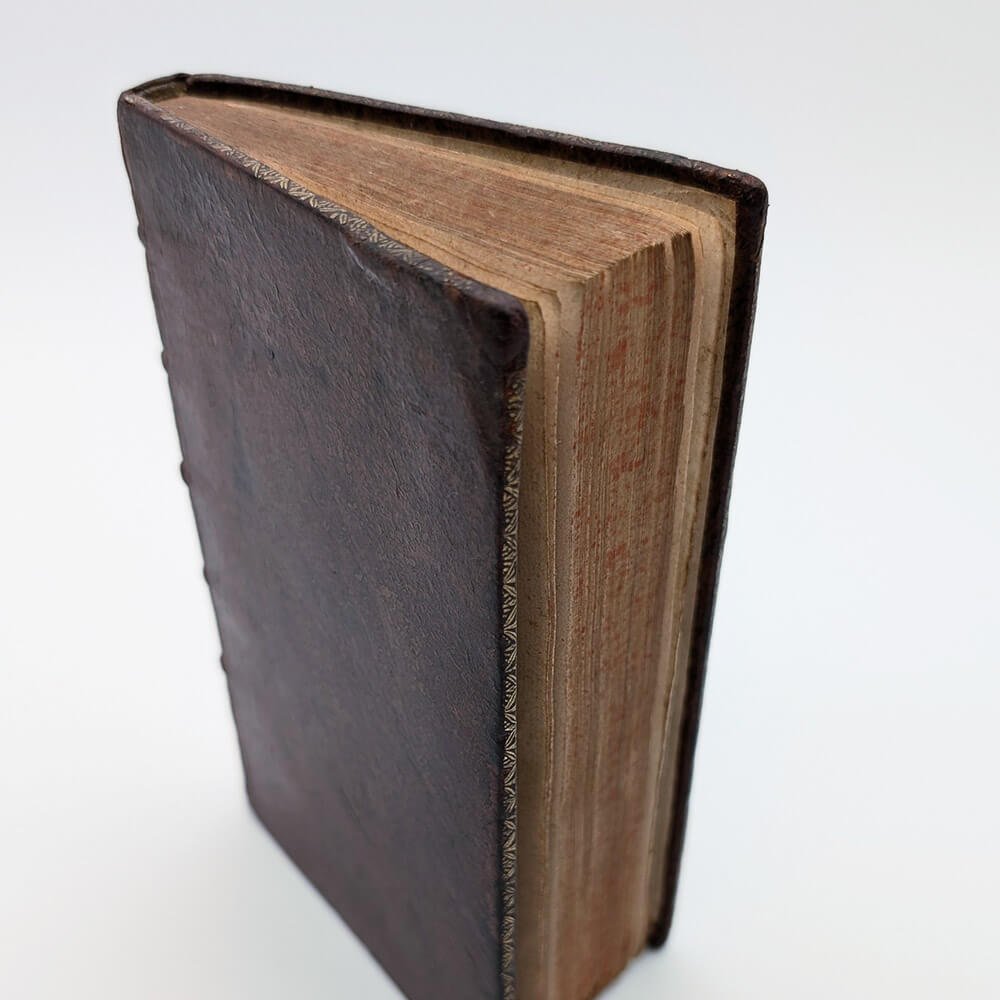
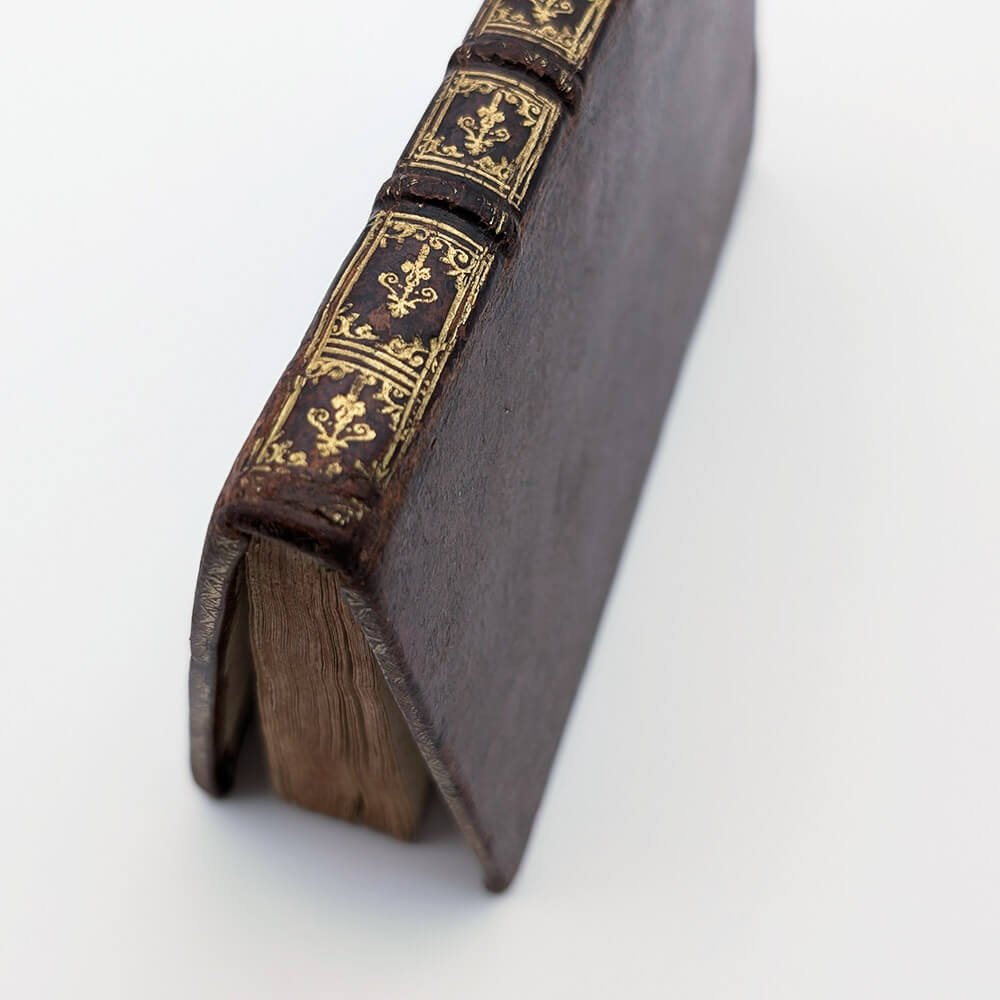
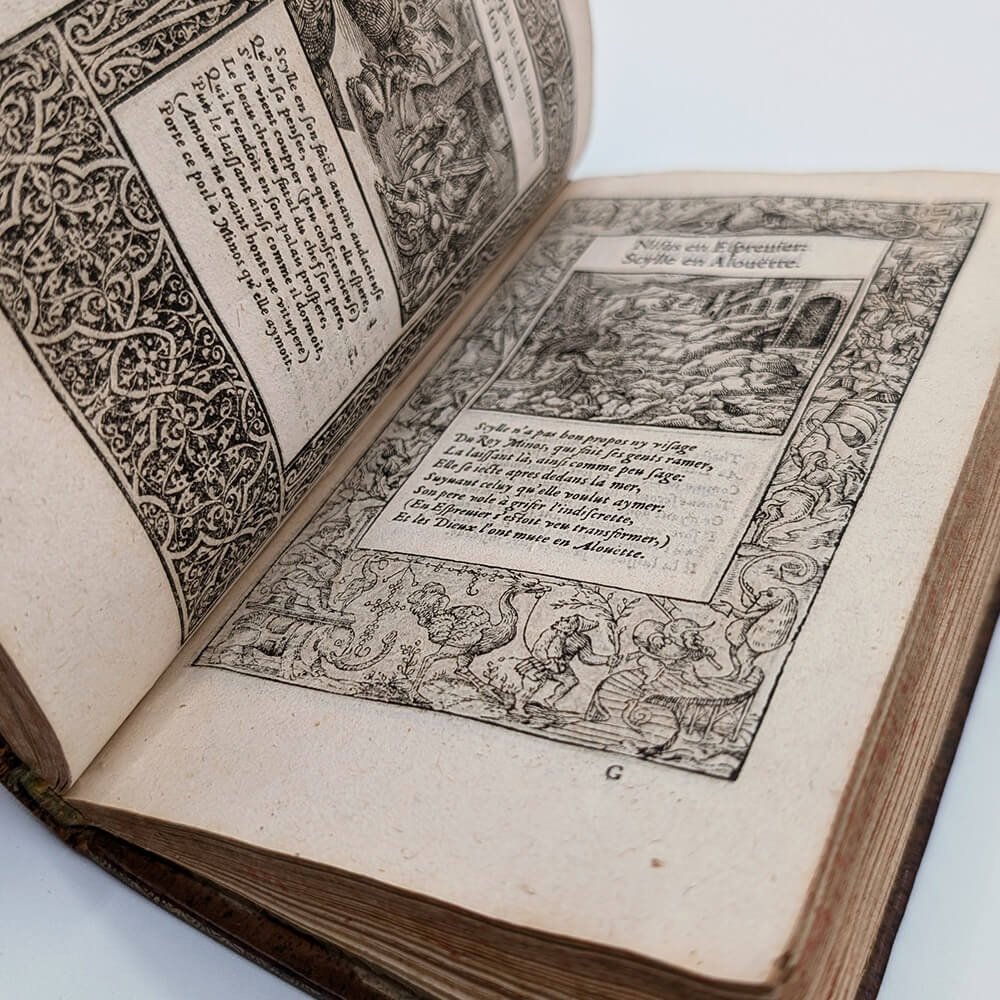
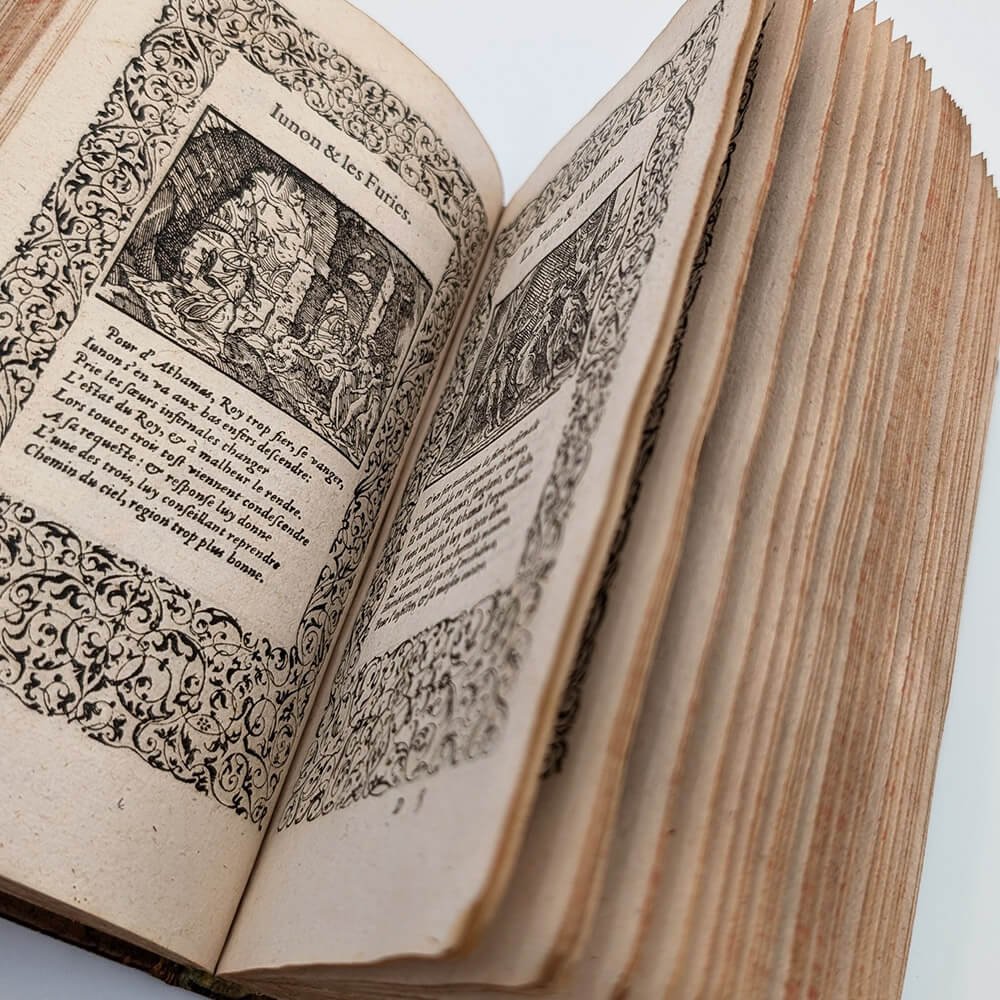
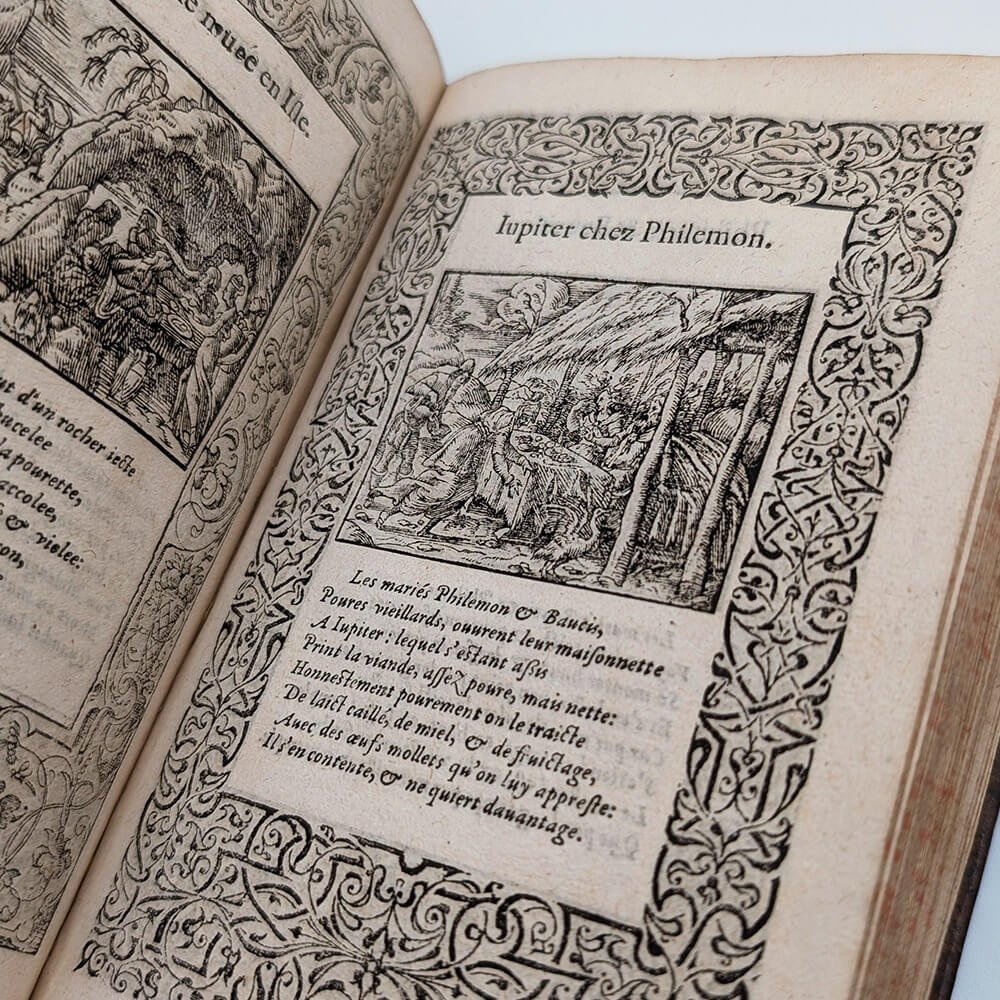
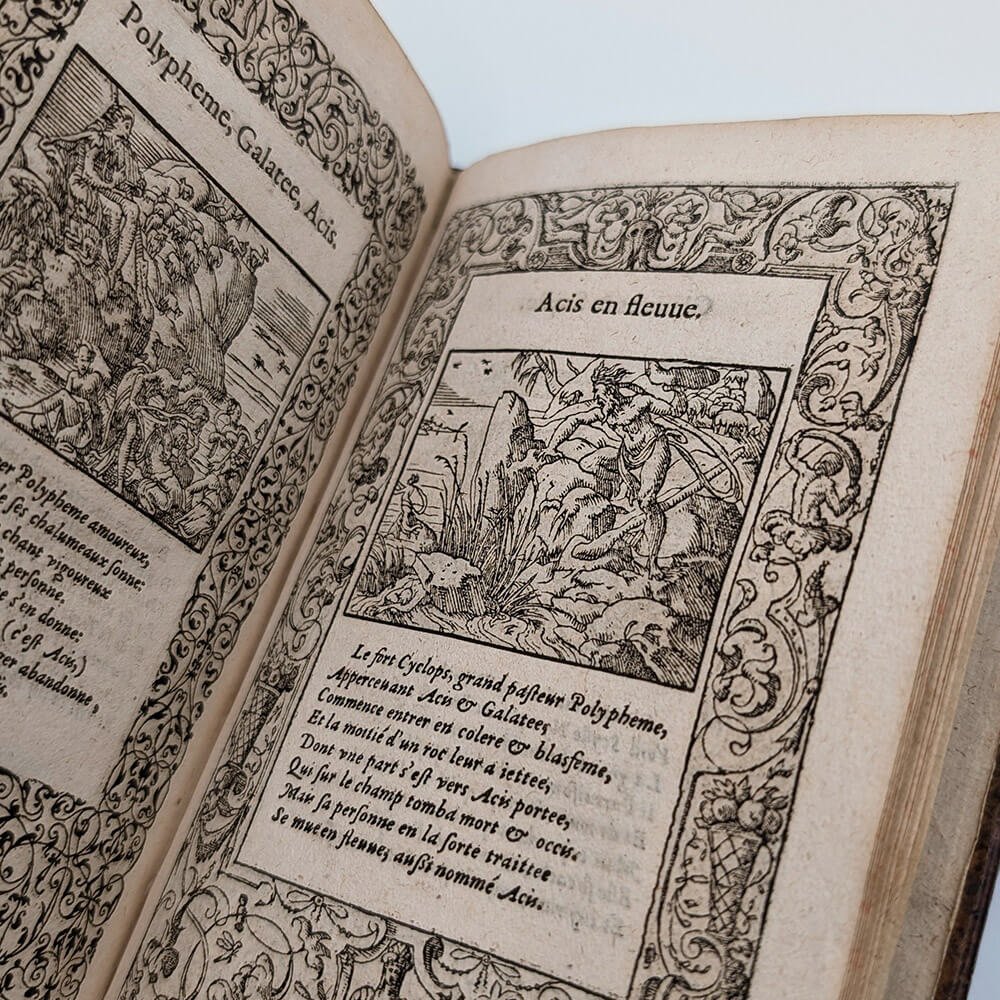
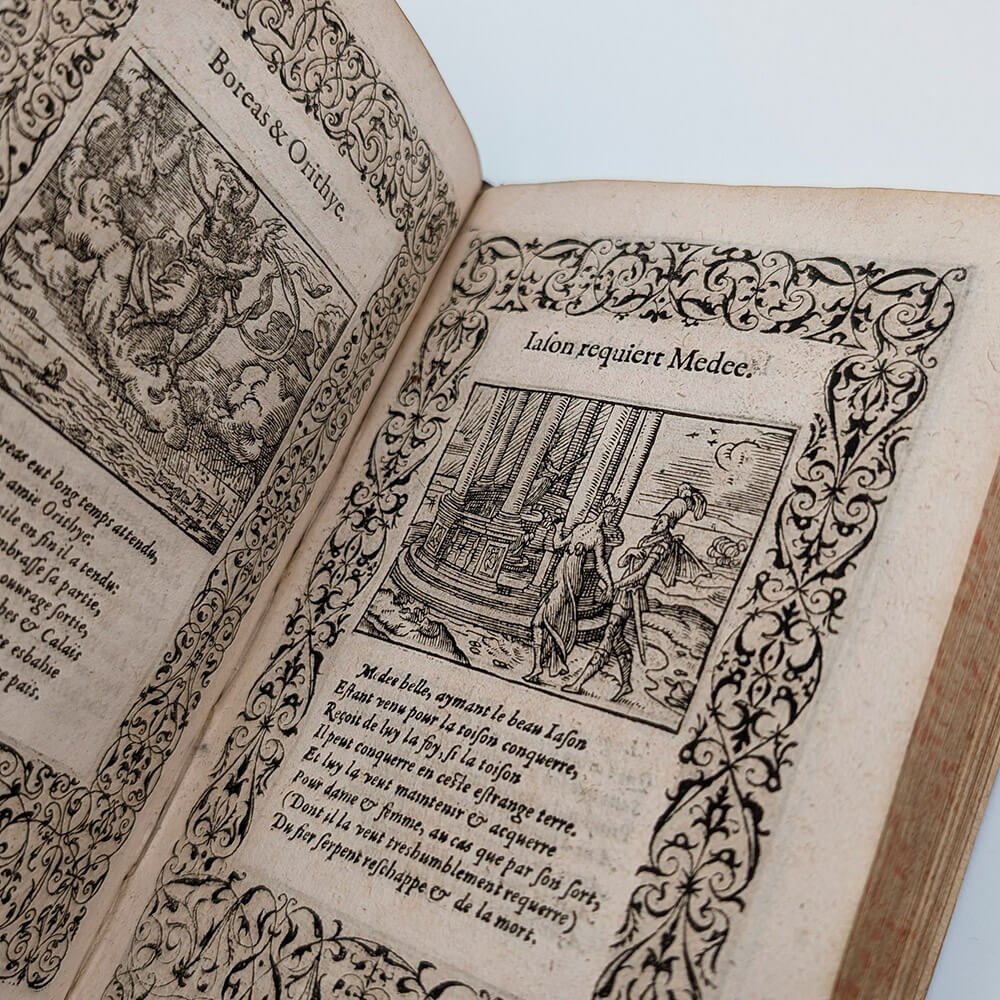
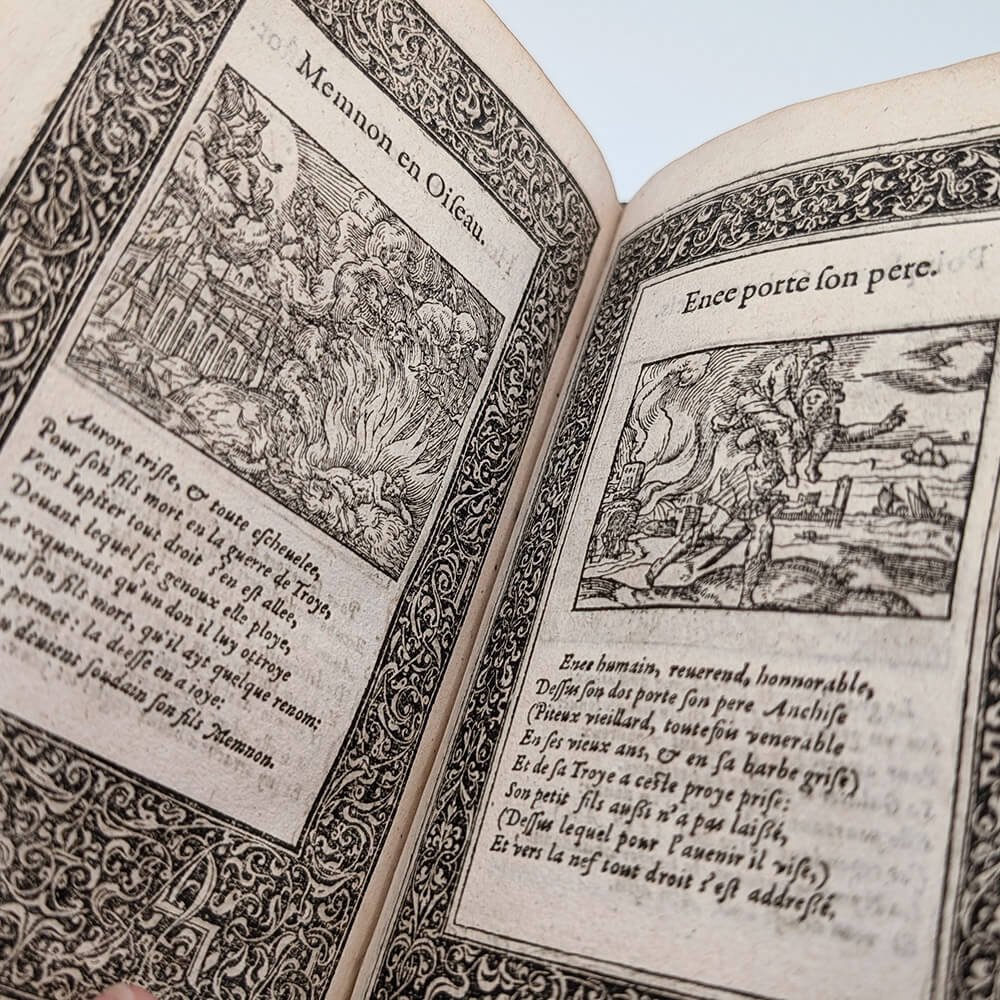
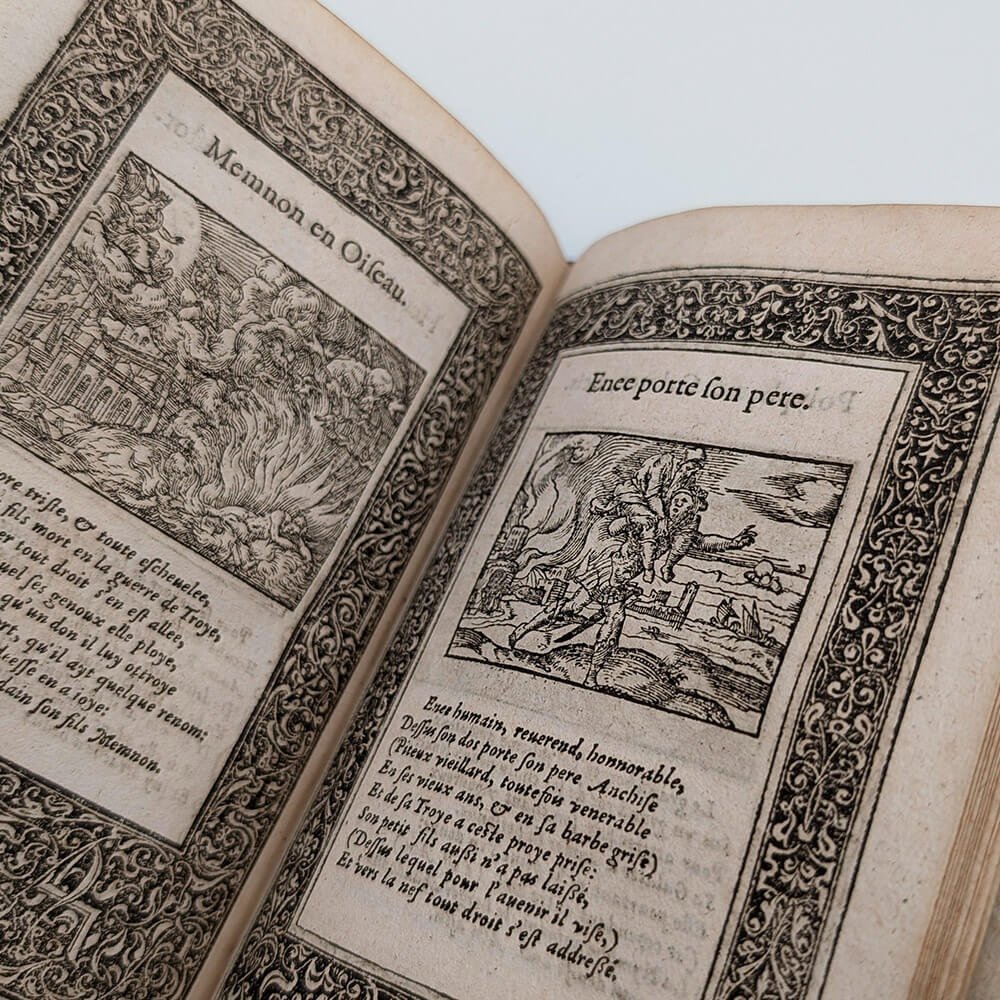
8vo (172 x 110 mm). Contemporary speckled brown calf with 5 raised bands. Gilt-tooled compartments and gilt title label. Gilt roll on the bands and outer edges of the boards. Sprinkled edges. [1] blank leaf, 2 leaves (a1-a2) Title + dedication, 89 leaves (a3 - m3), printer's device on m4. Totaling 178 woodcuts.
Third edition of this impressive work, an absolute jewel of the French Renaissance; it also serves as a temporal witness to the Jean de Tournes printing dynasty.
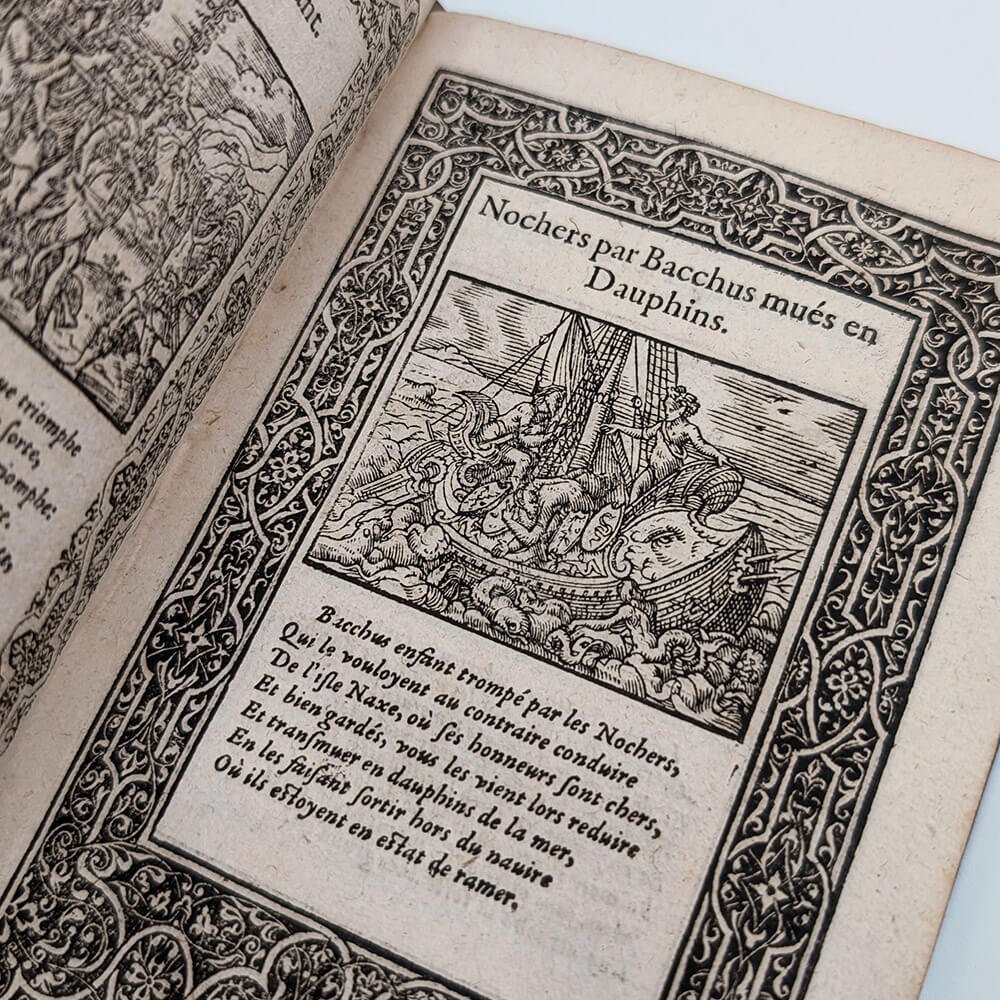
Jean de Tournes "the Elder" (1504–1564) was one of the famous Lyonnais printers and typographers of the 16th century. As Printer to the King, he worked with celebrated authors of the time such as Louise Labé and Joachim du Bellay. In 1557, he published La métamorphose d'Ovid figurée, consisting of 178 eight-line stanzas (huitains) composed by the poet Barthélemy Aneau based on the Metamorphoses, accompanied by 178 engravings by the illustrator Bernard Salomon; he issued a reprint in 1564.
In La métamorphose d'Ovid figurée, Barthélemy Aneau, Bernard Salomon, and Jean de Tournes transcribe the core of Ovid's work, where the theme of transition and change of state is dominant. Daphne turned into a laurel tree, Actaeon metamorphosed into a stag... Salomon freezes on a fixed piece of wood the precise moment a human being becomes a plant, a rock, or an animal. He also succeeds in integrating deep landscapes, Renaissance architecture with vanishing perspectives, and turbulent skies using microscopically fine networks of hatching.
Jean de Tournes "the Younger", a Huguenot Protestant, was forced to leave Lyon for Geneva in 1585, fleeing the tensions and violent repressions stemming from the religious conflicts between Protestants and Catholics (Lyon having fallen under Catholic control at that time). The 1583 edition was certainly one of the last from the de Tournes dynasty printed in the capital of the Gones. The mention "Imprimeur du Roy" (Printer to the King) on the title page, which does not appear on the 1557 edition (but does on the 1564 one), lays claim to the honorary title from his father's glorious past. Does Jean de Tournes the Younger leave here the trace of a moving and vain attempt at protection? Or perhaps he is trying to remind everyone of a past when times were better?
Condition: Minor restorations to the binding, oxidation on the boards. Very good condition internally.