Origine e funzioni del linguaggio in Thomas Reid-Maurizio Maione
Origine e funzioni del linguaggio in Thomas Reid-Maurizio Maione | Libri antichi e moderni |
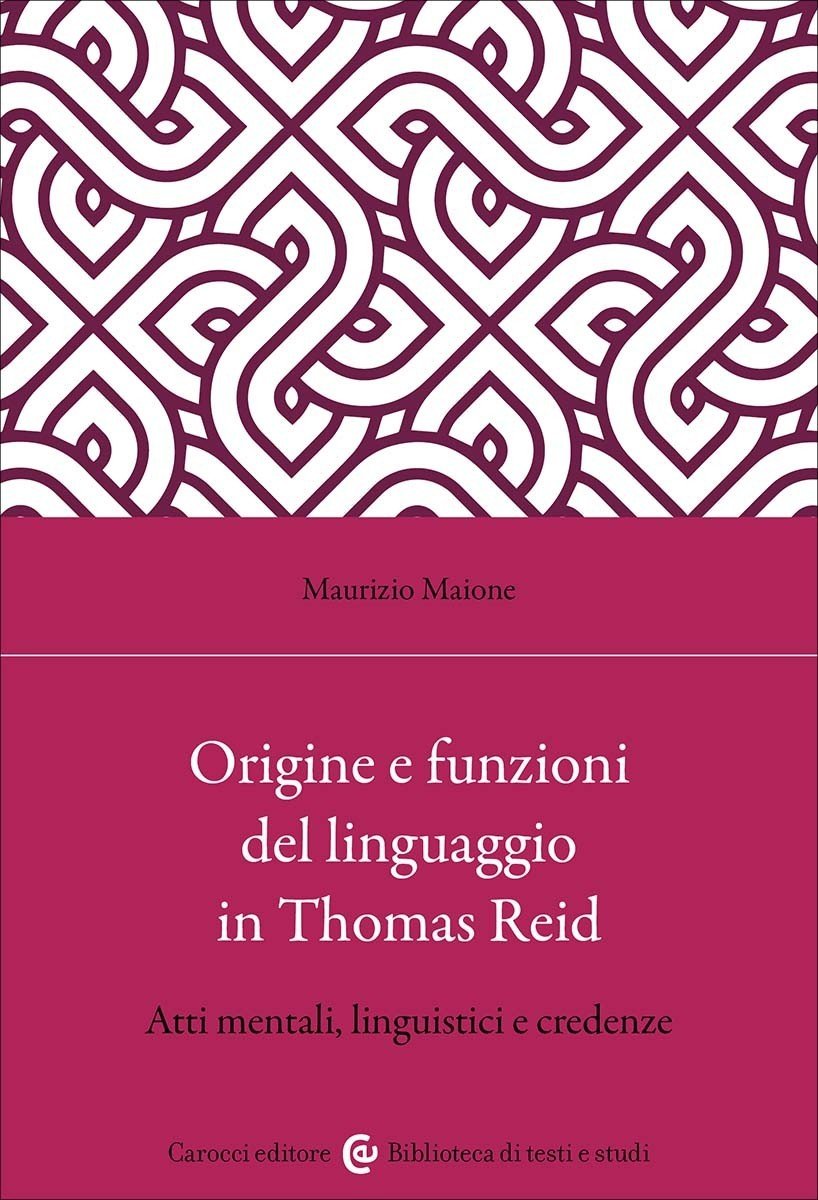
Origine e funzioni del linguaggio in Thomas Reid-Maurizio Maione
Origine e funzioni del linguaggio in Thomas Reid-Maurizio Maione | Libri antichi e moderni |
Metodi di Pagamento
- PayPal
- Carta di Credito
- Bonifico Bancario
- Pubblica amministrazione
- Carta del Docente
Dettagli
Descrizione
Magazzino CA<div><h1 class="text-secondary h3 mb-2" style="box-sizing: border-box; margin-top: 0px; font-weight: 500; line-height: 1.1; font-size: 2rem; word-break: break-word; margin-bottom: 0.5rem !important; font-family: filosofia, serif !important; color: rgb(179, 31, 44) !important;">Origine e funzioni del linguaggio in Thomas Reid</h1><h5 class="text-secondary" style="box-sizing: border-box; margin-top: 0px; margin-bottom: 0.5rem; font-weight: 500; line-height: 1.1; font-size: 1.25rem; font-family: filosofia, serif !important; color: rgb(179, 31, 44) !important;"><em class="corsive" style="box-sizing: border-box;"><p style="box-sizing: border-box; margin-top: 0px; margin-bottom: 1rem; word-break: break-word;">Atti mentali, linguistici e credenze</p><ul class="list-unstyled mt-4 product-details" style="box-sizing: border-box; margin-bottom: 1rem; padding-left: 0px; list-style: none; color: rgb(33, 37, 41); font-family: Inter, sans-serif; font-size: 16px; font-style: normal; margin-top: 1.5rem !important;"><li class="mb-0" style="box-sizing: border-box; margin-bottom: 0px !important; font-size: 15px !important;"><span class="text-uppercase text-secondary font-weight-bold" style="box-sizing: border-box; word-break: break-word; text-transform: uppercase !important; font-weight: 700 !important; color: rgb(179, 31, 44) !important;">Edizione:</span> Maggio 2024</li><li class="mb-0" style="box-sizing: border-box; margin-bottom: 0px !important; font-size: 15px !important;"><span class="text-uppercase text-secondary font-weight-bold" style="box-sizing: border-box; word-break: break-word; text-transform: uppercase !important; font-weight: 700 !important; color: rgb(179, 31, 44) !important;">Collana:</span> <a href="https://www.carocci.it/collana/biblioteca-di-testi-e-studi" class="text-secondary" style="box-sizing: border-box; text-decoration: none; background-color: transparent; color: rgb(179, 31, 44) !important; outline: none !important;">Biblioteca di testi e studi</a></li><li class="mb-0" style="box-sizing: border-box; margin-bottom: 0px !important; font-size: 15px !important;"><span class="text-uppercase text-secondary font-weight-bold" style="box-sizing: border-box; word-break: break-word; text-transform: uppercase !important; font-weight: 700 !important; color: rgb(179, 31, 44) !important;">ISBN:</span> 9788829009565</li><li class="mb-0" style="box-sizing: border-box; margin-bottom: 0px !important; font-size: 15px !important;"><span class="text-uppercase text-secondary font-weight-bold" style="box-sizing: border-box; word-break: break-word; text-transform: uppercase !important; font-weight: 700 !important; color: rgb(179, 31, 44) !important;">Pagine:</span> 156</li></ul></em></h5><h6 class="text-uppercase text-secondary font-weight-bold description-title mb-2 primary-font" style="box-sizing: border-box; margin-top: 14px; font-family: Inter, sans-serif; line-height: 1.1; font-size: 1rem; padding-bottom: 2px; background-color: rgb(255, 255, 255); margin-bottom: 0.5rem !important; color: rgb(179, 31, 44) !important; text-transform: uppercase !important;">In breve</h6><h5 class="text-secondary" style="box-sizing: border-box; margin-top: 0px; margin-bottom: 0.5rem; font-weight: 500; line-height: 1.1; font-size: 1.25rem; font-family: filosofia, serif !important; color: rgb(179, 31, 44) !important;"><em class="corsive" style="box-sizing: border-box;"><ul class="list-unstyled mt-4 product-details" style="box-sizing: border-box; margin-bottom: 1rem; padding-left: 0px; list-style: none; color: rgb(33, 37, 41); font-family: Inter, sans-serif; font-size: 16px; font-style: normal; margin-top: 1.5rem !important;"><li class="mb-0" style="box-sizing: border-box; margin-bottom: 0px !important; font-size: 15px !important;"><div id="small-description" class="the-content small" style="box-sizing: border-box; background-color: rgb(255, 255, 255); font-size: 14px !important;"><div id="excerpt-content" style="box-sizing: border-box;"><p style="box-sizing: border-box; margin-top: 0px; margin-bottom: 1rem;">Il volume offre una ricostruzione storica e teorica del dibattito settecentesco sull’origine del linguaggio, a partire dalle premesse lockiane fino al punto di snodo rappresentato dalla riflessione di Thomas Reid. Le categorie di “continuismo” e “discontinuismo” giustificano, rispettivamente, la continuità con il regno animale e la differenza specifica del linguaggio umano. La comunicazione non verbale umana, o protolinguaggio, e i processi cognitivi intersoggettivi che essa presuppone confermano la specificità dell’attività linguistica successiva segnando non solo l’esperienza semantica ma anche lo spazio pragmatico delle conoscenze, del ragionamento, della vigilanza epistemica e della testimonianza. Reid integra le tesi del continuismo e del discontinuismo proponendo un modello teorico che da un lato sollecita un interessante confronto con Condillac, Rousseau e Herder, e dall’altro può contribuire al dibattito attuale.</p></div></div><a class="text-uppercase text-secondary font-weight-bold d-block mb-1 mt-2" href="https://www.carocci.it/prodotto/origine-e-funzioni-del-linguaggio-in-thomas-reid#" data-toggle="modal" data-target="#description-modal" style="box-sizing: border-box; text-decoration: none; background-color: rgb(255, 255, 255); font-size: 16px; color: rgb(179, 31, 44) !important; outline: none !important; display: block !important; margin-bottom: 0.25rem !important; margin-top: 0.5rem !important; text-transform: uppercase !important; font-weight: 700 !important;">indice <span class="fa fa-angle-right font-weight-bold" style="box-sizing: border-box; font-weight: normal; display: inline-block; font-variant: normal; font-size-adjust: none; font-language-override: normal; font-kerning: auto; font-optical-sizing: auto; font-feature-settings: normal; font-variation-settings: normal; font-stretch: normal; line-height: 1; font-family: FontAwesome; font-size: inherit; text-rendering: auto; -webkit-font-smoothing: antialiased;"></span></a></li><li class="mb-0" style="box-sizing: border-box; margin-bottom: 0px !important; font-size: 15px !important;"><a class="text-uppercase text-secondary font-weight-bold d-block mb-1 mt-2" href="https://www.carocci.it/prodotto/origine-e-funzioni-del-linguaggio-in-thomas-reid#" data-toggle="modal" data-target="#description-modal" style="box-sizing: border-box; text-decoration: none; background-color: rgb(255, 255, 255); font-size: 16px; color: rgb(179, 31, 44) !important; outline: none !important; display: block !important; margin-bottom: 0.25rem !important; margin-top: 0.5rem !important; text-transform: uppercase !important; font-weight: 700 !important;"><span style="box-sizing: border-box; font-weight: bolder; color: rgb(33, 37, 41); text-transform: none;">Introduzione<br style="box-sizing: border-box;">1. Il dibattito sull’origine del linguaggio</span><br style="box-sizing: border-box; color: rgb(33, 37, 41); font-weight: 400; text-transform: none;"><span style="color: rgb(33, 37, 41); font-weight: 400; text-transform: none;">Le premesse lockiane: il discontinuismo implicito/Condillac: il paradigma continuista/Il “problema di Rousseau” e il discontinuismo dichiarato/Rousseau e il “problema di Rousseau”/Herder e il “problema di Rousseau”/Conclusioni</span><br style="box-sizing: border-box; color: rgb(33, 37, 41); font-weight: 400; text-transform: none;"><span style="box-sizing: border-box; font-weight: bolder; color: rgb(33, 37, 41); text-transform: none;">2. Il discontinuismo continuista di Reid<br style="box-sizing: border-box;"></span><span style="color: rgb(33, 37, 41); font-weight: 400; text-transform: none;">Reid e il “problema di Rousseau”: alla ricerca di una prospettiva unitaria/Il discontinuismo reidiano: chiarimento metodologico in itinere/Conclusioni parziali</span><br style="box-sizing: border-box; color: rgb(33, 37, 41); font-weight: 400; text-transform: none;"><span style="box-sizing: border-box; font-weight: bolder; color: rgb(33, 37, 41); text-transform: none;">3. Le operazioni sociali della mente<br style="box-sizing: border-box;"></span><span style="color: rgb(33, 37, 41); font-weight: 400; text-transform: none;">Gli atti linguistici ante litteram/Dalla pantomima alla</span><em style="box-sizing: border-box; color: rgb(33, 37, 41); font-weight: 400; text-transform: none;"> sentence</em><span style="color: rgb(33, 37, 41); font-weight: 400; text-transform: none;">/Conclusioni</span><br style="box-sizing: border-box; color: rgb(33, 37, 41); font-weight: 400; text-transform: none;"><span style="box-sizing: border-box; font-weight: bolder; color: rgb(33, 37, 41); text-transform: none;">4. Le menti altrui: rappresentazioni semantiche, razionalità e credenze</span><br style="box-sizing: border-box; color: rgb(33, 37, 41); font-weight: 400; text-transform: none;"><span style="color: rgb(33, 37, 41); font-weight: 400; text-transform: none;">Premessa: la rappresentazione tra coscienza e riflessione/Per una teoria pragmatico-cognitiva delle conoscenze e del ragionamento/Conclusioni generali</span><br style="box-sizing: border-box; color: rgb(33, 37, 41); font-weight: 400; text-transform: none;"><span style="box-sizing: border-box; font-weight: bolder; color: rgb(33, 37, 41); text-transform: none;">Riferimenti bibliografici</span></a></li></ul></em></h5></div>