La Musa incatenata-Maria Jennifer Falcone, Christoph Schubert
La Musa incatenata-Maria Jennifer Falcone, Christoph Schubert | Libri antichi e moderni |
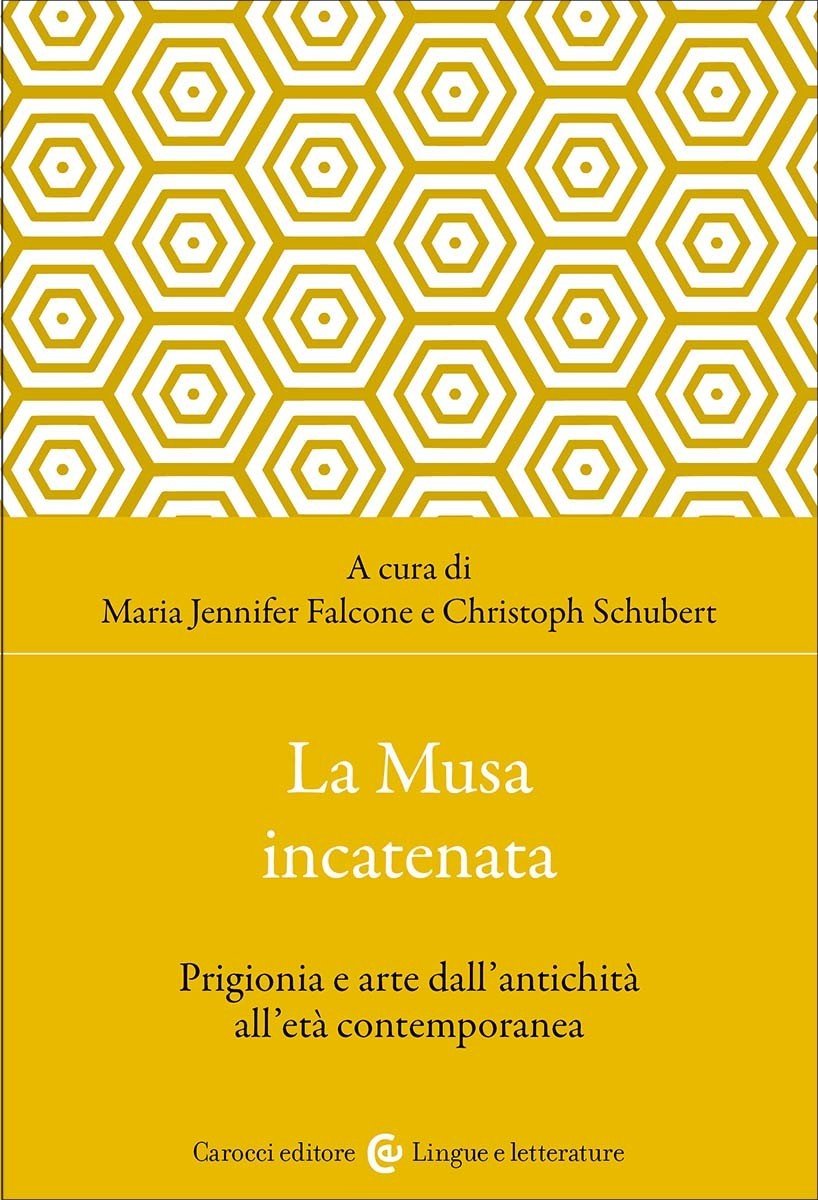
La Musa incatenata-Maria Jennifer Falcone, Christoph Schubert
La Musa incatenata-Maria Jennifer Falcone, Christoph Schubert | Libri antichi e moderni |
Metodi di Pagamento
- PayPal
- Carta di Credito
- Bonifico Bancario
- Pubblica amministrazione
- Carta del Docente
Dettagli
Descrizione
Magazzino CA<div><h1 class="text-secondary h3 mb-2" style="box-sizing: border-box; margin-top: 0px; font-weight: 500; line-height: 1.1; font-size: 2rem; word-break: break-word; margin-bottom: 0.5rem !important; font-family: filosofia, serif !important; color: rgb(179, 31, 44) !important;">La Musa incatenata</h1><h5 class="text-secondary" style="box-sizing: border-box; margin-top: 0px; margin-bottom: 0.5rem; font-weight: 500; line-height: 1.1; font-size: 1.25rem; font-family: filosofia, serif !important; color: rgb(179, 31, 44) !important;"><em class="corsive" style="box-sizing: border-box;"><p style="box-sizing: border-box; margin-top: 0px; margin-bottom: 1rem; word-break: break-word;">Prigionia e arte dall’antichità all’età contemporanea</p><ul class="list-unstyled mt-4 product-details" style="box-sizing: border-box; margin-bottom: 1rem; padding-left: 0px; list-style: none; color: rgb(33, 37, 41); font-family: Inter, sans-serif; font-size: 16px; font-style: normal; margin-top: 1.5rem !important;"><li class="mb-0" style="box-sizing: border-box; margin-bottom: 0px !important; font-size: 15px !important;"><span class="text-uppercase text-secondary font-weight-bold" style="box-sizing: border-box; word-break: break-word; text-transform: uppercase !important; font-weight: 700 !important; color: rgb(179, 31, 44) !important;">Edizione:</span> Maggio 2024</li><li class="mb-0" style="box-sizing: border-box; margin-bottom: 0px !important; font-size: 15px !important;"><span class="text-uppercase text-secondary font-weight-bold" style="box-sizing: border-box; word-break: break-word; text-transform: uppercase !important; font-weight: 700 !important; color: rgb(179, 31, 44) !important;">Collana:</span> <a href="https://www.carocci.it/collana/lingua-e-letterature-carocci" class="text-secondary" style="box-sizing: border-box; color: rgb(179, 31, 44); text-decoration: none; background-color: transparent; outline: none !important;">Lingue e Letterature Carocci</a></li><li class="mb-0" style="box-sizing: border-box; margin-bottom: 0px !important; font-size: 15px !important;"><span class="text-uppercase text-secondary font-weight-bold" style="box-sizing: border-box; word-break: break-word; text-transform: uppercase !important; font-weight: 700 !important; color: rgb(179, 31, 44) !important;">ISBN:</span> 9788829020904</li><li class="mb-0" style="box-sizing: border-box; margin-bottom: 0px !important; font-size: 15px !important;"><span class="text-uppercase text-secondary font-weight-bold" style="box-sizing: border-box; word-break: break-word; text-transform: uppercase !important; font-weight: 700 !important; color: rgb(179, 31, 44) !important;">Pagine:</span> 320</li></ul></em></h5><h6 class="text-uppercase text-secondary font-weight-bold description-title mb-2 primary-font" style="box-sizing: border-box; margin-top: 14px; font-family: Inter, sans-serif; line-height: 1.1; font-size: 1rem; padding-bottom: 2px; background-color: rgb(255, 255, 255); margin-bottom: 0.5rem !important; color: rgb(179, 31, 44) !important; text-transform: uppercase !important;">In breve</h6><h5 class="text-secondary" style="box-sizing: border-box; margin-top: 0px; margin-bottom: 0.5rem; font-weight: 500; line-height: 1.1; font-size: 1.25rem; font-family: filosofia, serif !important; color: rgb(179, 31, 44) !important;"><em class="corsive" style="box-sizing: border-box;"><ul class="list-unstyled mt-4 product-details" style="box-sizing: border-box; margin-bottom: 1rem; padding-left: 0px; list-style: none; color: rgb(33, 37, 41); font-family: Inter, sans-serif; font-size: 16px; font-style: normal; margin-top: 1.5rem !important;"><li class="mb-0" style="box-sizing: border-box; margin-bottom: 0px !important; font-size: 15px !important;"><div id="small-description" class="the-content small" style="box-sizing: border-box; background-color: rgb(255, 255, 255); font-size: 14px !important;"><div id="excerpt-content" style="box-sizing: border-box;"><p style="box-sizing: border-box; margin-top: 0px; margin-bottom: 1rem;">Il volume esplora il rapporto fra arte e prigionia nel mondo antico, nella prima età cristiana e nel tardoantico, e in epoca moderna, con un approccio multidi-sciplinare per avviare una prima indagine complessiva sul tema. L’analisi, condotta su testi letterari, documenti di archivio, materiale iconografico e musicale, prende in esame prigionieri celebri (Socrate, san Paolo, Boezio) e meno noti (come Draconzio), esuli (Cicerone, Ovidio, Seneca), martiri cristiani di area occidentale e bizantina, musicisti e personaggi dell’opera (dal Seicento fino a Dallapiccola), figure storiche di grande rilievo per la modernità (Gramsci e i resistenti tedeschi al nazionalsocialismo). Il racconto di esperienze teatrali in carcere (Roma, Pisa, Bari) mostra, infine, come il muro di separazione tra prigione e mondo esterno si possa abbattere con l’arte e la bellezza, le stesse che da sempre danno speranza e luce in mezzo alle catene.</p></div></div><a class="text-uppercase text-secondary font-weight-bold d-block mb-1 mt-2" href="https://www.carocci.it/prodotto/la-musa-incatenata#" data-toggle="modal" data-target="#description-modal" style="box-sizing: border-box; text-decoration: none; background-color: rgb(255, 255, 255); font-size: 16px; color: rgb(179, 31, 44) !important; outline: none !important; display: block !important; margin-bottom: 0.25rem !important; margin-top: 0.5rem !important; text-transform: uppercase !important; font-weight: 700 !important;">indice </a></li><li class="mb-0" style="box-sizing: border-box; margin-bottom: 0px !important; font-size: 15px !important;"><a class="text-uppercase text-secondary font-weight-bold d-block mb-1 mt-2" href="https://www.carocci.it/prodotto/la-musa-incatenata#" data-toggle="modal" data-target="#description-modal" style="box-sizing: border-box; text-decoration: none; background-color: rgb(255, 255, 255); font-size: 16px; color: rgb(179, 31, 44) !important; outline: none !important; display: block !important; margin-bottom: 0.25rem !important; margin-top: 0.5rem !important; text-transform: uppercase !important; font-weight: 700 !important;"><span style="box-sizing: border-box; font-weight: bolder; color: rgb(33, 37, 41); text-transform: none;">Prologo. «Ma perché non andate ad aiutare i bambini malati?». Un’esperienza di teatro in carcere</span><span style="color: rgb(33, 37, 41); font-weight: 400; text-transform: none;"> di </span><em style="box-sizing: border-box; color: rgb(33, 37, 41); font-weight: 400; text-transform: none;">Francesca Di Giuseppe</em><br style="box-sizing: border-box; color: rgb(33, 37, 41); font-weight: 400; text-transform: none;"><span style="box-sizing: border-box; font-weight: bolder; color: rgb(33, 37, 41); text-transform: none;">Echi e frizioni</span><br style="box-sizing: border-box; color: rgb(33, 37, 41); font-weight: 400; text-transform: none;"><span style="box-sizing: border-box; font-weight: bolder; color: rgb(33, 37, 41); text-transform: none;">Postilla<br style="box-sizing: border-box;">Premessa</span><span style="color: rgb(33, 37, 41); font-weight: 400; text-transform: none;"> di </span><em style="box-sizing: border-box; color: rgb(33, 37, 41); font-weight: 400; text-transform: none;">Maria Jennifer Falcone</em><span style="color: rgb(33, 37, 41); font-weight: 400; text-transform: none;"> e </span><em style="box-sizing: border-box; color: rgb(33, 37, 41); font-weight: 400; text-transform: none;">Christoph Schubert</em><br style="box-sizing: border-box; color: rgb(33, 37, 41); font-weight: 400; text-transform: none;"><span style="box-sizing: border-box; font-weight: bolder; color: rgb(33, 37, 41); text-transform: none;">Ringraziamenti<br style="box-sizing: border-box;">Introduzione. Letteratura e prigione – Prigione e letteratura: uno sguardo d’insieme e problemi teorici</span><span style="color: rgb(33, 37, 41); font-weight: 400; text-transform: none;"> di </span><em style="box-sizing: border-box; color: rgb(33, 37, 41); font-weight: 400; text-transform: none;">Monika Fludernik<br style="box-sizing: border-box;"></em><span style="color: rgb(33, 37, 41); font-weight: 400; text-transform: none;">1. Prigioni letterarie</span><br style="box-sizing: border-box; color: rgb(33, 37, 41); font-weight: 400; text-transform: none;"><span style="color: rgb(33, 37, 41); font-weight: 400; text-transform: none;">2. Carceri e scrittura</span><br style="box-sizing: border-box; color: rgb(33, 37, 41); font-weight: 400; text-transform: none;"><span style="color: rgb(33, 37, 41); font-weight: 400; text-transform: none;">3. Conclusione</span><br style="box-sizing: border-box; color: rgb(33, 37, 41); font-weight: 400; text-transform: none;"><span style="box-sizing: border-box; font-weight: bolder; color: rgb(33, 37, 41); text-transform: none;">Parte prima</span><br style="box-sizing: border-box; color: rgb(33, 37, 41); font-weight: 400; text-transform: none;"><span style="box-sizing: border-box; font-weight: bolder; color: rgb(33, 37, 41); text-transform: none;">La prigione nell’antichità classica<br style="box-sizing: border-box;">1. Imprigionato?! La prigione come metafora da Socrate attraverso Boezio fino ad Aratore</span><span style="color: rgb(33, 37, 41); font-weight: 400; text-transform: none;"> di </span><em style="box-sizing: border-box; color: rgb(33, 37, 41); font-weight: 400; text-transform: none;">Katharina Pohl</em><br style="box-sizing: border-box; color: rgb(33, 37, 41); font-weight: 400; text-transform: none;"><span style="color: rgb(33, 37, 41); font-weight: 400; text-transform: none;">La metafora della prigione in Platone/La prigione come metafora in Boezio/La prigione metaforica nella </span><em style="box-sizing: border-box; color: rgb(33, 37, 41); font-weight: 400; text-transform: none;">Historia apostolica</em><span style="color: rgb(33, 37, 41); font-weight: 400; text-transform: none;"> di Aratore/Conclusione</span><br style="box-sizing: border-box; color: rgb(33, 37, 41); font-weight: 400; text-transform: none;"><span style="box-sizing: border-box; font-weight: bolder; color: rgb(33, 37, 41); text-transform: none;">2. Voci romane dall’isolamento: Cicerone, Ovidio, Seneca</span><span style="color: rgb(33, 37, 41); font-weight: 400; text-transform: none;"> di </span><em style="box-sizing: border-box; color: rgb(33, 37, 41); font-weight: 400; text-transform: none;">Edoardo Galfré</em><br style="box-sizing: border-box; color: rgb(33, 37, 41); font-weight: 400; text-transform: none;"><span style="color: rgb(33, 37, 41); font-weight: 400; text-transform: none;">Esilio e letteratura /</span><em style="box-sizing: border-box; color: rgb(33, 37, 41); font-weight: 400; text-transform: none;">Trias exulum</em><span style="color: rgb(33, 37, 41); font-weight: 400; text-transform: none;">/Esilio e morte: costrizione e movimento/Conclusione</span><br style="box-sizing: border-box; color: rgb(33, 37, 41); font-weight: 400; text-transform: none;"><span style="box-sizing: border-box; font-weight: bolder; color: rgb(33, 37, 41); text-transform: none;">3. Il motivo della prigionia e dell’assenza di libertà nella cultura figurativa greca e romana</span><span style="color: rgb(33, 37, 41); font-weight: 400; text-transform: none;"> di </span><em style="box-sizing: border-box; color: rgb(33, 37, 41); font-weight: 400; text-transform: none;">Corinna Reinhardt</em><br style="box-sizing: border-box; color: rgb(33, 37, 41); font-weight: 400; text-transform: none;"><span style="color: rgb(33, 37, 41); font-weight: 400; text-transform: none;">Per iniziare: l’incatenamento nei racconti figurativi a tema mitologico/Prigionieri di guerra: l’uomo incatenato/Prigionieri di guerra: donne, bambini, anziani</span><br style="box-sizing: border-box; color: rgb(33, 37, 41); font-weight: 400; text-transform: none;"><span style="box-sizing: border-box; font-weight: bolder; color: rgb(33, 37, 41); text-transform: none;">Parte seconda<br style="box-sizing: border-box;">La prigione nel primo cristianesimo e nella tarda antichità<br style="box-sizing: border-box;">4. Paolo, prigioniero di Cristo Gesù. Le lettere della prigionia di Paolo e la loro ricezione </span><span style="color: rgb(33, 37, 41); font-weight: 400; text-transform: none;">di Florian Zacher</span><br style="box-sizing: border-box; color: rgb(33, 37, 41); font-weight: 400; text-transform: none;"><span style="color: rgb(33, 37, 41); font-weight: 400; text-transform: none;">Paolo come “il” prigioniero del Nuovo Testamento/Tempo e luogo di composizione delle due lettere della prigionia di Paolo/</span><em style="box-sizing: border-box; color: rgb(33, 37, 41); font-weight: 400; text-transform: none;">Filippesi e Filemone</em><span style="color: rgb(33, 37, 41); font-weight: 400; text-transform: none;"> come lettere della prigionia/L’interpretazione della prigionia nella </span><em style="box-sizing: border-box; color: rgb(33, 37, 41); font-weight: 400; text-transform: none;">Lettera ai Filippesi</em><span style="color: rgb(33, 37, 41); font-weight: 400; text-transform: none;"> da parte di Paolo/La </span><em style="box-sizing: border-box; color: rgb(33, 37, 41); font-weight: 400; text-transform: none;">Lettera a Filemone</em><span style="color: rgb(33, 37, 41); font-weight: 400; text-transform: none;">/Interpretazioni antiche</span><br style="box-sizing: border-box; color: rgb(33, 37, 41); font-weight: 400; text-transform: none;"><span style="box-sizing: border-box; font-weight: bolder; color: rgb(33, 37, 41); text-transform: none;">5. <em style="box-sizing: border-box;">Descendimus ad carcerem.</em> La prigione e la sua esperienza come motivo narrativo nei resoconti dei martiri cristiani</span><span style="color: rgb(33, 37, 41); font-weight: 400; text-transform: none;"> di </span><em style="box-sizing: border-box; color: rgb(33, 37, 41); font-weight: 400; text-transform: none;">Christoph Schubert</em><br style="box-sizing: border-box; color: rgb(33, 37, 41); font-weight: 400; text-transform: none;"><span style="box-sizing: border-box; font-weight: bolder; color: rgb(33, 37, 41); text-transform: none;">6. Santità dietro le sbarre. I martiri cristiani e la loro esperienza di prigionia nella letteratura bizantina</span><span style="color: rgb(33, 37, 41); font-weight: 400; text-transform: none;"> di </span><em style="box-sizing: border-box; color: rgb(33, 37, 41); font-weight: 400; text-transform: none;">Christodoulos Papavarnavas</em><br style="box-sizing: border-box; color: rgb(33, 37, 41); font-weight: 400; text-transform: none;"><span style="color: rgb(33, 37, 41); font-weight: 400; text-transform: none;">L’oggetto di studio: gli </span><em style="box-sizing: border-box; color: rgb(33, 37, 41); font-weight: 400; text-transform: none;">Acta martyrum</em><span style="color: rgb(33, 37, 41); font-weight: 400; text-transform: none;"> bizantini/Approccio interpretativo: il concetto di liminalità/Conclusione</span><br style="box-sizing: border-box; color: rgb(33, 37, 41); font-weight: 400; text-transform: none;"><span style="box-sizing: border-box; font-weight: bolder; color: rgb(33, 37, 41); text-transform: none;">7. Tempora servare iussit et ipse Deus. Tempo, religione e potere nella Satisfactio di Draconzio</span><span style="color: rgb(33, 37, 41); font-weight: 400; text-transform: none;"> di </span><em style="box-sizing: border-box; color: rgb(33, 37, 41); font-weight: 400; text-transform: none;">Maria Jennifer Falcone</em><br style="box-sizing: border-box; color: rgb(33, 37, 41); font-weight: 400; text-transform: none;"><span style="box-sizing: border-box; font-weight: bolder; color: rgb(33, 37, 41); text-transform: none;">8. Boezio «e il ricordo oscuro della natura del suo Bene»</span><span style="color: rgb(33, 37, 41); font-weight: 400; text-transform: none;"> di </span><em style="box-sizing: border-box; color: rgb(33, 37, 41); font-weight: 400; text-transform: none;">Graziano Perillo</em><br style="box-sizing: border-box; color: rgb(33, 37, 41); font-weight: 400; text-transform: none;"><span style="color: rgb(33, 37, 41); font-weight: 400; text-transform: none;">La malattia di Boezio/La cura di Filosofia/La guarigione/Conclusione</span><br style="box-sizing: border-box; color: rgb(33, 37, 41); font-weight: 400; text-transform: none;"><span style="box-sizing: border-box; font-weight: bolder; color: rgb(33, 37, 41); text-transform: none;">9. L’uomo tra aspirazione al sommo bene e catene terrene (una lettura di Boeth. Cons. 3 cc. 2, 10 e 12)</span><span style="color: rgb(33, 37, 41); font-weight: 400; text-transform: none;"> di </span><em style="box-sizing: border-box; color: rgb(33, 37, 41); font-weight: 400; text-transform: none;">Alessandro Fusi</em><br style="box-sizing: border-box; color: rgb(33, 37, 41); font-weight: 400; text-transform: none;"><span style="box-sizing: border-box; font-weight: bolder; color: rgb(33, 37, 41); text-transform: none;">Parte terza<br style="box-sizing: border-box;">La ricezione delle antiche rappresentazioni della prigione nell’età moderna<br style="box-sizing: border-box;">10. Orride, atre e tenebrose: le carceri operistiche tra Seicento e Ottocento</span><span style="color: rgb(33, 37, 41); font-weight: 400; text-transform: none;"> di </span><em style="box-sizing: border-box; color: rgb(33, 37, 41); font-weight: 400; text-transform: none;">Angela Romagnoli</em><br style="box-sizing: border-box; color: rgb(33, 37, 41); font-weight: 400; text-transform: none;"><span style="color: rgb(33, 37, 41); font-weight: 400; text-transform: none;">Premessa/La prigione come topos operistico/La scenografia/La drammaturgia/Libretti e librettisti/Comicità carceraria: parodia e altro/La musica/Conclusione</span><br style="box-sizing: border-box; color: rgb(33, 37, 41); font-weight: 400; text-transform: none;"><span style="box-sizing: border-box; font-weight: bolder; color: rgb(33, 37, 41); text-transform: none;">11. Le scene di prigione delle opere di Georg Philipp Telemann tra lo spettacolare e il comico</span><span style="color: rgb(33, 37, 41); font-weight: 400; text-transform: none;"> di </span><em style="box-sizing: border-box; color: rgb(33, 37, 41); font-weight: 400; text-transform: none;">Livio Marcaletti</em><br style="box-sizing: border-box; color: rgb(33, 37, 41); font-weight: 400; text-transform: none;"><span style="box-sizing: border-box; font-weight: bolder; color: rgb(33, 37, 41); text-transform: none;">12. <em style="box-sizing: border-box;">Ex tenebris ad lucem</em>. Variazioni sul mito della caverna, da <em style="box-sizing: border-box;">Fidelio</em> al <em style="box-sizing: border-box;">Prigioniero</em></span><span style="color: rgb(33, 37, 41); font-weight: 400; text-transform: none;"> di </span><em style="box-sizing: border-box; color: rgb(33, 37, 41); font-weight: 400; text-transform: none;">Francesco Fontanelli</em><br style="box-sizing: border-box; color: rgb(33, 37, 41); font-weight: 400; text-transform: none;"><span style="box-sizing: border-box; font-weight: bolder; color: rgb(33, 37, 41); text-transform: none;">13. Le carceri di Gramsci</span><span style="color: rgb(33, 37, 41); font-weight: 400; text-transform: none;"> di </span><em style="box-sizing: border-box; color: rgb(33, 37, 41); font-weight: 400; text-transform: none;">Francesca Antonini</em><br style="box-sizing: border-box; color: rgb(33, 37, 41); font-weight: 400; text-transform: none;"><span style="color: rgb(33, 37, 41); font-weight: 400; text-transform: none;">Schizzo biografico/La prigionia come “vita”: naufraghi e cannibali/Le lettere e le carceri/Fra sentimento e politica/Cultura e prigione: i </span><em style="box-sizing: border-box; color: rgb(33, 37, 41); font-weight: 400; text-transform: none;">Quaderni del carcere</em><span style="color: rgb(33, 37, 41); font-weight: 400; text-transform: none;">/Autobiografia e analisi della congiuntura/Trasformazioni molecolari/Conclusione. Gramsci nella storia della riflessione su arte e carcere</span><br style="box-sizing: border-box; color: rgb(33, 37, 41); font-weight: 400; text-transform: none;"><span style="box-sizing: border-box; font-weight: bolder; color: rgb(33, 37, 41); text-transform: none;">14. Classici in carcere. Riflessi dell’etica socratica nelle prigioni del Terzo Reich</span><span style="color: rgb(33, 37, 41); font-weight: 400; text-transform: none;"> di </span><em style="box-sizing: border-box; color: rgb(33, 37, 41); font-weight: 400; text-transform: none;">Nicola Montenz</em><br style="box-sizing: border-box; color: rgb(33, 37, 41); font-weight: 400; text-transform: none;"><span style="color: rgb(33, 37, 41); font-weight: 400; text-transform: none;">Per uno sguardo generale sul fenomeno/Socrate nelle carceri del Terzo Reich/Da Atene a Berlino: Socrate negli scritti carcerari di John Rittmeister/Da Berlino ad Atene: sentire comune o memoria culturale?/ Socrate e l’autoanalisi/Immaginando l’estremo Socrate: un accenno alle letture carcerarie di Arvid Harnack/</span><em style="box-sizing: border-box; color: rgb(33, 37, 41); font-weight: 400; text-transform: none;">Marginalia</em><span style="color: rgb(33, 37, 41); font-weight: 400; text-transform: none;"> conclusivi: l’ombra del Socrate elenctico</span><br style="box-sizing: border-box; color: rgb(33, 37, 41); font-weight: 400; text-transform: none;"><span style="box-sizing: border-box; font-weight: bolder; color: rgb(33, 37, 41); text-transform: none;">Parte quarta<br style="box-sizing: border-box;">Voci contemporanee dal carcere<br style="box-sizing: border-box;">15. <em style="box-sizing: border-box;">La Tempesta </em>dentro. Un’esperienza </span><span style="color: rgb(33, 37, 41); font-weight: 400; text-transform: none;">di </span><em style="box-sizing: border-box; color: rgb(33, 37, 41); font-weight: 400; text-transform: none;">Francesco Morosi</em><span style="color: rgb(33, 37, 41); font-weight: 400; text-transform: none;"> e </span><em style="box-sizing: border-box; color: rgb(33, 37, 41); font-weight: 400; text-transform: none;">Giorgio Motisi</em><br style="box-sizing: border-box; color: rgb(33, 37, 41); font-weight: 400; text-transform: none;"><span style="box-sizing: border-box; font-weight: bolder; color: rgb(33, 37, 41); text-transform: none;">16. “Fuori formato. Margini e possibilità”: pratiche di teatro-carcere</span><span style="color: rgb(33, 37, 41); font-weight: 400; text-transform: none;"> di </span><em style="box-sizing: border-box; color: rgb(33, 37, 41); font-weight: 400; text-transform: none;">Tiziana Drago</em><br style="box-sizing: border-box; color: rgb(33, 37, 41); font-weight: 400; text-transform: none;"><span style="color: rgb(33, 37, 41); font-weight: 400; text-transform: none;">La Sala Prove dell’Istituto penale per i minorenni “Fornelli” di Bari e il Teatro patologico di Roma</span><br style="box-sizing: border-box; color: rgb(33, 37, 41); font-weight: 400; text-transform: none;"><span style="box-sizing: border-box; font-weight: bolder; color: rgb(33, 37, 41); text-transform: none;">Indice dei nomi</span></a></li></ul></em></h5></div>