Homo mimeticus-Nidesh Lawtoo
Homo mimeticus-Nidesh Lawtoo | Libri antichi e moderni |
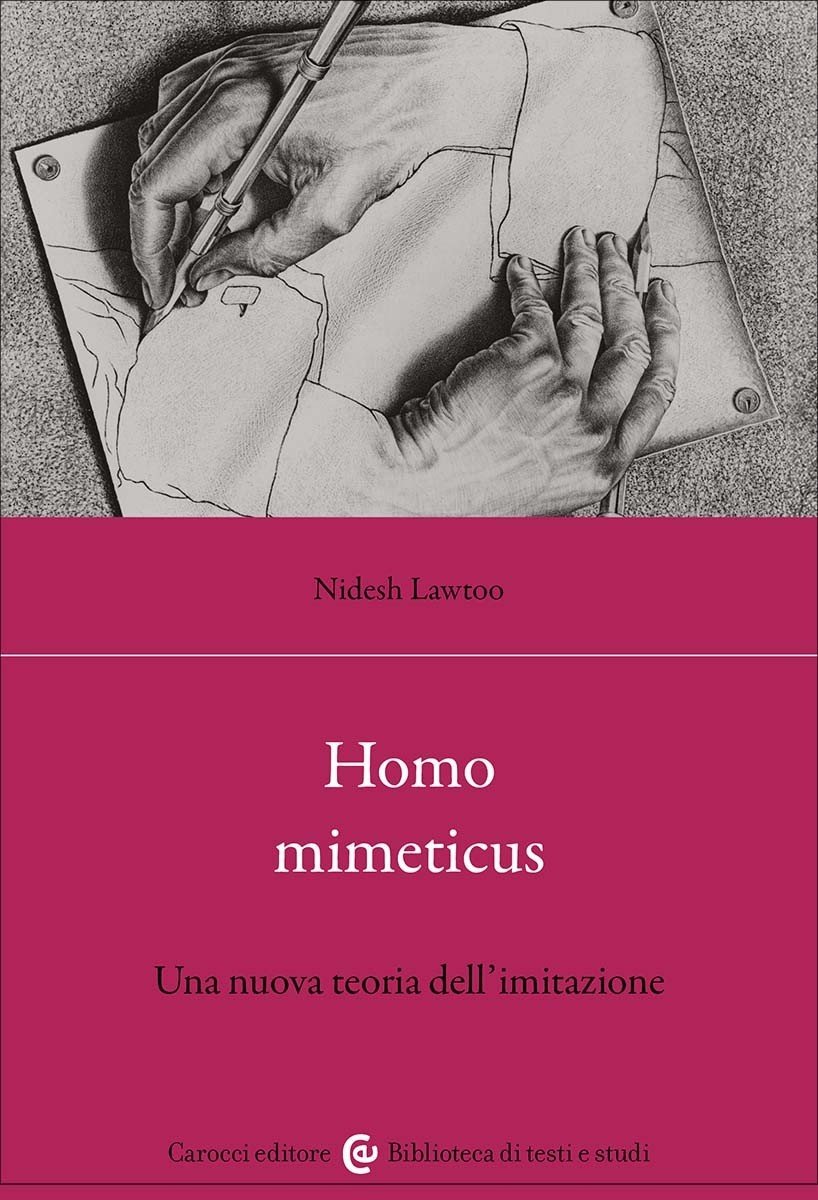
Homo mimeticus-Nidesh Lawtoo
Homo mimeticus-Nidesh Lawtoo | Libri antichi e moderni |
Metodi di Pagamento
- PayPal
- Carta di Credito
- Bonifico Bancario
- Pubblica amministrazione
- Carta del Docente
Dettagli
Descrizione
Magazzino CA<div><br></div><div><h1 class="text-secondary h3 mb-2" style="box-sizing: border-box; margin-top: 0px; font-weight: 500; line-height: 1.1; font-size: 2rem; word-break: break-word; margin-bottom: 0.5rem !important; font-family: filosofia, serif !important; color: rgb(179, 31, 44) !important;">Homo mimeticus</h1><h5 class="text-secondary" style="box-sizing: border-box; margin-top: 0px; margin-bottom: 0.5rem; font-weight: 500; line-height: 1.1; font-size: 1.25rem; font-family: filosofia, serif !important; color: rgb(179, 31, 44) !important;"><em class="corsive" style="box-sizing: border-box;"><p style="box-sizing: border-box; margin-top: 0px; margin-bottom: 1rem; word-break: break-word;">Una nuova teoria dell'imitazione</p><ul class="list-unstyled mt-4 product-details" style="box-sizing: border-box; margin-bottom: 1rem; padding-left: 0px; list-style: none; color: rgb(33, 37, 41); font-family: Inter, sans-serif; font-size: 16px; font-style: normal; margin-top: 1.5rem !important;"><li class="mb-0" style="box-sizing: border-box; margin-bottom: 0px !important; font-size: 15px !important;"><span class="text-uppercase text-secondary font-weight-bold" style="box-sizing: border-box; word-break: break-word; text-transform: uppercase !important; font-weight: 700 !important; color: rgb(179, 31, 44) !important;">Edizione:</span> Gennaio 2025</li><li class="mb-0" style="box-sizing: border-box; margin-bottom: 0px !important; font-size: 15px !important;"><span class="text-uppercase text-secondary font-weight-bold" style="box-sizing: border-box; word-break: break-word; text-transform: uppercase !important; font-weight: 700 !important; color: rgb(179, 31, 44) !important;">Collana:</span> <a href="https://www.carocci.it/collana/biblioteca-di-testi-e-studi" class="text-secondary" style="box-sizing: border-box; text-decoration: none; background-color: transparent; color: rgb(179, 31, 44) !important; outline: none !important;">Biblioteca di testi e studi</a></li><li class="mb-0" style="box-sizing: border-box; margin-bottom: 0px !important; font-size: 15px !important;"><span class="text-uppercase text-secondary font-weight-bold" style="box-sizing: border-box; word-break: break-word; text-transform: uppercase !important; font-weight: 700 !important; color: rgb(179, 31, 44) !important;">ISBN:</span> 9788829021086</li><li class="mb-0" style="box-sizing: border-box; margin-bottom: 0px !important; font-size: 15px !important;"><span class="text-uppercase text-secondary font-weight-bold" style="box-sizing: border-box; word-break: break-word; text-transform: uppercase !important; font-weight: 700 !important; color: rgb(179, 31, 44) !important;">Pagine:</span> 292</li></ul></em></h5><h6 class="text-uppercase text-secondary font-weight-bold description-title mb-2 primary-font" style="box-sizing: border-box; margin-top: 14px; font-family: Inter, sans-serif; line-height: 1.1; font-size: 1rem; padding-bottom: 2px; background-color: rgb(255, 255, 255); margin-bottom: 0.5rem !important; color: rgb(179, 31, 44) !important; text-transform: uppercase !important;">In breve</h6><h5 class="text-secondary" style="box-sizing: border-box; margin-top: 0px; margin-bottom: 0.5rem; font-weight: 500; line-height: 1.1; font-size: 1.25rem; font-family: filosofia, serif !important; color: rgb(179, 31, 44) !important;"><em class="corsive" style="box-sizing: border-box;"><ul class="list-unstyled mt-4 product-details" style="box-sizing: border-box; margin-bottom: 1rem; padding-left: 0px; list-style: none; color: rgb(33, 37, 41); font-family: Inter, sans-serif; font-size: 16px; font-style: normal; margin-top: 1.5rem !important;"><li class="mb-0" style="box-sizing: border-box; margin-bottom: 0px !important; font-size: 15px !important;"><div id="small-description" class="the-content small" style="box-sizing: border-box; background-color: rgb(255, 255, 255); font-size: 14px !important;"><div id="excerpt-content" style="box-sizing: border-box;"><p style="box-sizing: border-box; margin-top: 0px; margin-bottom: 1rem;">A valle di un confronto serrato con discipline quali la filosofia, l’estetica, la teoria politica e le neuroscienze, Nidesh Lawtoo propone una nuova antropologia fondamentale: invece che ai caratteri della razionalità o della socialità, la specificità e l’originalità dell’essere umano vengono ricondotte alla sua natura innanzitutto imitativa. Chiamando in causa il lettore e guidandolo lungo una genealogia innovativa e rigorosa di una delle più antiche e più influenti questioni del pensiero occidentale, il testo rintraccia le origini note e quelle dimenticate di un problema che resta centrale anche per le scienze umane del XXI secolo. <em style="box-sizing: border-box;">Homo mimeticus</em> – titolo, oltre che del volume, di un progetto di ricerca ERC di levatura internazionale – presenta altresì al pubblico italiano i concetti fondamentali formulati dagli “studi mimetici”. Le nozioni di “pato-<em style="box-sizing: border-box;">logia</em>”, di “ipermimesi” e, ancora, di “volontà di imitare” vengono articolate prima teoreticamente e quindi applicate a casi di studio efficaci e attuali, nel convincimento che la diffusione dei prodotti di questo rinnovato campo di ricerca multidisciplinare possa rivelarsi utile per affrontare alcune delle sfide del presente e del futuro.</p></div></div><a class="text-uppercase text-secondary font-weight-bold d-block mb-1 mt-2" href="https://www.carocci.it/prodotto/homo-mimeticus#" data-toggle="modal" data-target="#description-modal" style="box-sizing: border-box; text-decoration: none; background-color: rgb(255, 255, 255); font-size: 16px; color: rgb(179, 31, 44) !important; outline: none !important; display: block !important; margin-bottom: 0.25rem !important; margin-top: 0.5rem !important; text-transform: uppercase !important; font-weight: 700 !important;">indice <span class="fa fa-angle-right font-weight-bold" style="box-sizing: border-box; font-weight: normal; display: inline-block; font-variant: normal; font-size-adjust: none; font-language-override: normal; font-kerning: auto; font-optical-sizing: auto; font-feature-settings: normal; font-variation-settings: normal; font-stretch: normal; line-height: 1; font-family: FontAwesome; font-size: inherit; text-rendering: auto; -webkit-font-smoothing: antialiased;"></span></a></li><li class="mb-0" style="box-sizing: border-box; margin-bottom: 0px !important; font-size: 15px !important;"><a class="text-uppercase text-secondary font-weight-bold d-block mb-1 mt-2" href="https://www.carocci.it/prodotto/homo-mimeticus#" data-toggle="modal" data-target="#description-modal" style="box-sizing: border-box; text-decoration: none; background-color: rgb(255, 255, 255); font-size: 16px; color: rgb(179, 31, 44) !important; outline: none !important; display: block !important; margin-bottom: 0.25rem !important; margin-top: 0.5rem !important; text-transform: uppercase !important; font-weight: 700 !important;"><span style="box-sizing: border-box; font-weight: bolder; color: rgb(33, 37, 41); text-transform: none;">Nota all’edizione italiana<br style="box-sizing: border-box;">Introduzione. Abbozzi di studi mimetici<br style="box-sizing: border-box;">Studi mimetici<br style="box-sizing: border-box;">Oltre le antiche dispute<br style="box-sizing: border-box;"><em style="box-sizing: border-box;">Sapiens, ludens, mimeticus<br style="box-sizing: border-box;"></em>La nascita di homo mimeticus<br style="box-sizing: border-box;">Breve genealogia della mimesi<br style="box-sizing: border-box;">Concetti per i nuovi studi mimetici<br style="box-sizing: border-box;">Parte prima<br style="box-sizing: border-box;">Genealogie: le fondazioni</span><br style="box-sizing: border-box; color: rgb(33, 37, 41); font-weight: 400; text-transform: none;"><span style="box-sizing: border-box; font-weight: bolder; color: rgb(33, 37, 41); text-transform: none;">1. La nascita dell’homo mimeticus</span><br style="box-sizing: border-box; color: rgb(33, 37, 41); font-weight: 400; text-transform: none;"><span style="color: rgb(33, 37, 41); font-weight: 400; text-transform: none;">L’ipotesi mimetica di Nietzsche/La nascita del linguaggio dallo stimolo mimetico/Genealogia della coscienza: la volontà di imitare/Passi verso una futura ominizzazione/Al di là della distinzione tra mimesis buona e cattiva</span><br style="box-sizing: border-box; color: rgb(33, 37, 41); font-weight: 400; text-transform: none;"><span style="box-sizing: border-box; font-weight: bolder; color: rgb(33, 37, 41); text-transform: none;">2. Vita mimetica nella caverna</span><br style="box-sizing: border-box; color: rgb(33, 37, 41); font-weight: 400; text-transform: none;"><span style="color: rgb(33, 37, 41); font-weight: 400; text-transform: none;">Mimesis inclinata/Homo mimeticus in catene: dallo Ione alla caverna/L’agonismo mimetico e la condivisione delle voci/L’eco delle ombre/Rianimare la vita mimetica</span><br style="box-sizing: border-box; color: rgb(33, 37, 41); font-weight: 400; text-transform: none;"><span style="box-sizing: border-box; font-weight: bolder; color: rgb(33, 37, 41); text-transform: none;">Parte seconda<br style="box-sizing: border-box;">Estetica: studi di caso<br style="box-sizing: border-box;">3. La plasticità della mimesi</span><br style="box-sizing: border-box; color: rgb(33, 37, 41); font-weight: 400; text-transform: none;"><span style="color: rgb(33, 37, 41); font-weight: 400; text-transform: none;">L’era della plasticità: la svolta neuro di Malabou/Adombrare la plasticità: il ritorno mimetico di Lacoue-Labarthe/Opere plastiche: dalla mimesi ristretta a quella generale/Forza plastica, impressioni materiali/Una farmacia per l’homo plasticus: pato(-)logie di un cervello mimetico</span><br style="box-sizing: border-box; color: rgb(33, 37, 41); font-weight: 400; text-transform: none;"><span style="box-sizing: border-box; font-weight: bolder; color: rgb(33, 37, 41); text-transform: none;">4. Il camaleonte umano</span><br style="box-sizing: border-box; color: rgb(33, 37, 41); font-weight: 400; text-transform: none;"><span style="color: rgb(33, 37, 41); font-weight: 400; text-transform: none;">Il caso di Zelig: inquadrare il camaleonte umano/Il caso dell’attore: Nietzsche con e contro Zelig/Un caso di rispecchiamento: dall’ipnosi ai neuroni specchio/La politica della mimesi: dall’opinione pubblica al contagio fascista/La banalità della mimesi: la cornice mancante</span><br style="box-sizing: border-box; color: rgb(33, 37, 41); font-weight: 400; text-transform: none;"><span style="box-sizing: border-box; font-weight: bolder; color: rgb(33, 37, 41); text-transform: none;">Parte terza<br style="box-sizing: border-box;">Politica: ritorni mimetici<br style="box-sizing: border-box;">5. Banalità del male/Complessità mimetica</span><br style="box-sizing: border-box; color: rgb(33, 37, 41); font-weight: 400; text-transform: none;"><span style="color: rgb(33, 37, 41); font-weight: 400; text-transform: none;">Riaprire il caso: la pato-logia antimimetica di Eichmann/Rimettere in scena il caso Eichmann: la pato-logia mimetica/Dalla banalità del male alla complessità della mimesi/Coda: uscita di scena</span><br style="box-sizing: border-box; color: rgb(33, 37, 41); font-weight: 400; text-transform: none;"><span style="box-sizing: border-box; font-weight: bolder; color: rgb(33, 37, 41); text-transform: none;">6. L’era della riproduzione virale<br style="box-sizing: border-box;"></span><span style="color: rgb(33, 37, 41); font-weight: 400; text-transform: none;">Le pato(-)logie di homo mimeticus/Vita mimetica: ombre antiche, nuove simulazioni/Contagio moderno: i microbi, la folla, il pubblico/Teorie del complotto: le pato-logie dell’immunizzazione</span><br style="box-sizing: border-box; color: rgb(33, 37, 41); font-weight: 400; text-transform: none;"><span style="box-sizing: border-box; font-weight: bolder; color: rgb(33, 37, 41); text-transform: none;">Coda. La complessità della mimesi: dialogo con Edgar Morin</span><br style="box-sizing: border-box; color: rgb(33, 37, 41); font-weight: 400; text-transform: none;"><span style="color: rgb(33, 37, 41); font-weight: 400; text-transform: none;">Il cuore della questione</span><br style="box-sizing: border-box; color: rgb(33, 37, 41); font-weight: 400; text-transform: none;"><span style="color: rgb(33, 37, 41); font-weight: 400; text-transform: none;">Antropologia del doppio</span><br style="box-sizing: border-box; color: rgb(33, 37, 41); font-weight: 400; text-transform: none;"><span style="color: rgb(33, 37, 41); font-weight: 400; text-transform: none;">Cinema e nuovi media</span><br style="box-sizing: border-box; color: rgb(33, 37, 41); font-weight: 400; text-transform: none;"><span style="color: rgb(33, 37, 41); font-weight: 400; text-transform: none;">Etica ed ecologia dell’azione</span><br style="box-sizing: border-box; color: rgb(33, 37, 41); font-weight: 400; text-transform: none;"><span style="color: rgb(33, 37, 41); font-weight: 400; text-transform: none;">Mimesis, società e politica</span><br style="box-sizing: border-box; color: rgb(33, 37, 41); font-weight: 400; text-transform: none;"><span style="color: rgb(33, 37, 41); font-weight: 400; text-transform: none;">Estetica e homo mimeticus</span><br style="box-sizing: border-box; color: rgb(33, 37, 41); font-weight: 400; text-transform: none;"><span style="box-sizing: border-box; font-weight: bolder; color: rgb(33, 37, 41); text-transform: none;">Riferimenti bibliografici<br style="box-sizing: border-box;">Indice analitico</span></a></li></ul></em></h5></div>