Ferdinand de Saussure- Emanuele Fadda, Giuseppe Cosenza
Ferdinand de Saussure- Emanuele Fadda, Giuseppe Cosenza | Libri antichi e moderni |
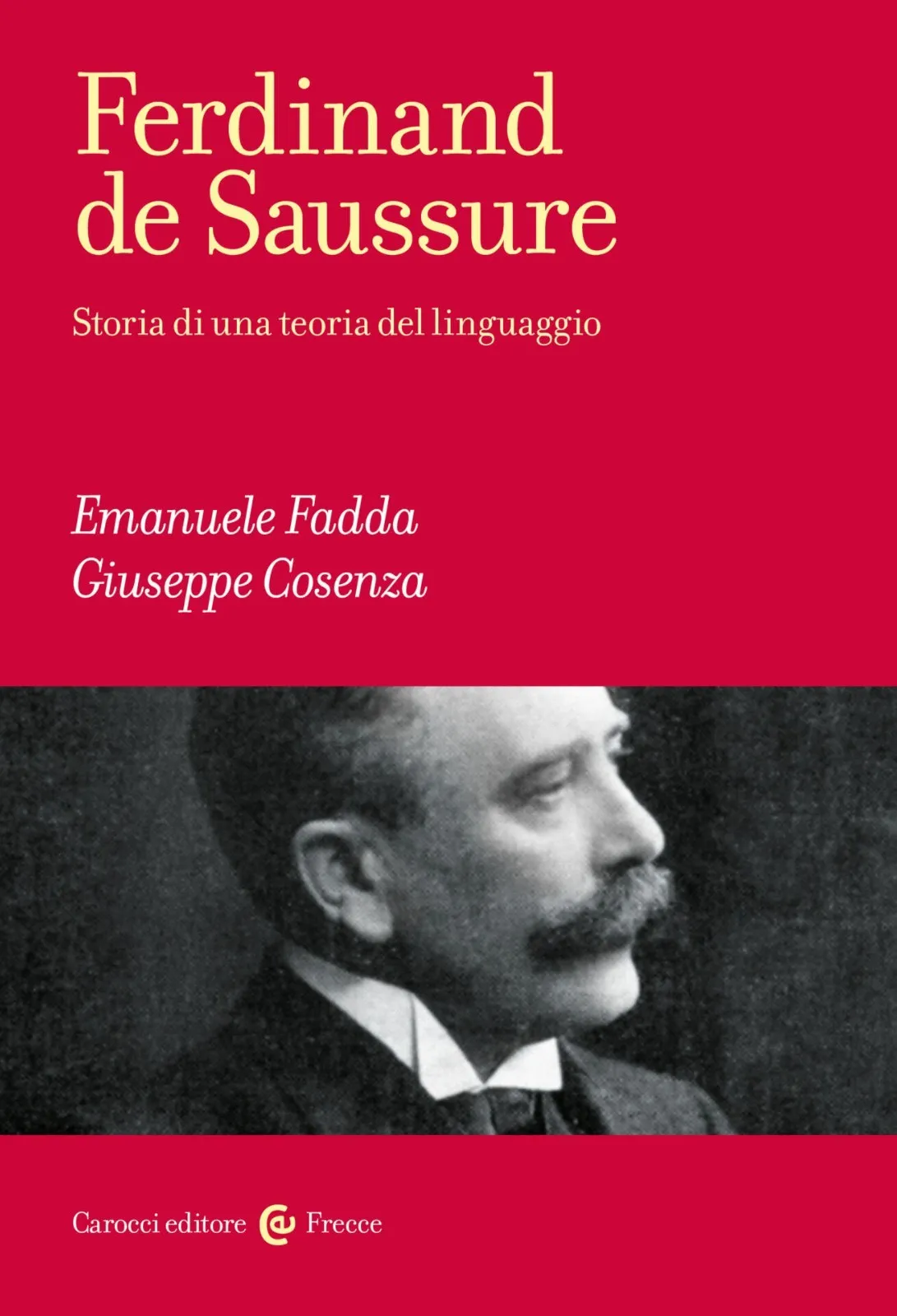
Ferdinand de Saussure- Emanuele Fadda, Giuseppe Cosenza
Ferdinand de Saussure- Emanuele Fadda, Giuseppe Cosenza | Libri antichi e moderni |
Metodi di Pagamento
- PayPal
- Carta di Credito
- Bonifico Bancario
- Pubblica amministrazione
- Carta del Docente
Dettagli
Descrizione
Magazzino CA<div><br></div><div><h1 class="text-secondary h3 mb-2" style="box-sizing: border-box; margin-top: 0px; font-weight: 500; line-height: 1.1; font-size: 2rem; word-break: break-word; margin-bottom: 0.5rem !important; font-family: filosofia, serif !important; color: rgb(179, 31, 44) !important;">Ferdinand de Saussure</h1><h5 class="text-secondary" style="box-sizing: border-box; margin-top: 0px; margin-bottom: 0.5rem; font-weight: 500; line-height: 1.1; font-size: 1.25rem; font-family: filosofia, serif !important; color: rgb(179, 31, 44) !important;"><em class="corsive" style="box-sizing: border-box;"><p style="box-sizing: border-box; margin-top: 0px; margin-bottom: 1rem; word-break: break-word;">Storia di una teoria del linguaggio</p></em></h5><span class="h5 d-block" style="box-sizing: border-box; margin-bottom: 0.5rem; line-height: 1.1; color: rgb(33, 37, 41); font-size: 1.25rem; word-break: break-word; font-family: filosofia, serif !important; display: block !important;">Emanuele Fadda, Giuseppe Cosenza</span><p class="first-payment-date" style="box-sizing: border-box; margin-top: 0px; margin-bottom: 1rem; word-break: break-word; color: rgb(33, 37, 41); font-family: Inter, sans-serif; font-size: 16px;"><small style="box-sizing: border-box; font-size: 12.8px;"></small></p><ul class="list-unstyled mt-4 product-details" style="box-sizing: border-box; margin-bottom: 1rem; padding-left: 0px; list-style: none; color: rgb(33, 37, 41); font-family: Inter, sans-serif; font-size: 16px; margin-top: 1.5rem !important;"><li class="mb-0" style="box-sizing: border-box; margin-bottom: 0px !important; font-size: 15px !important;"><span class="text-uppercase text-secondary font-weight-bold" style="box-sizing: border-box; word-break: break-word; text-transform: uppercase !important; font-weight: 700 !important; color: rgb(179, 31, 44) !important;">Edizione:</span> Aprile 2026</li><li class="mb-0" style="box-sizing: border-box; margin-bottom: 0px !important; font-size: 15px !important;"><span class="text-uppercase text-secondary font-weight-bold" style="box-sizing: border-box; word-break: break-word; text-transform: uppercase !important; font-weight: 700 !important; color: rgb(179, 31, 44) !important;">Collana:</span> <a href="https://www.carocci.it/collana/frecce" class="text-secondary" style="box-sizing: border-box; text-decoration: none; background-color: transparent; color: rgb(179, 31, 44) !important; outline: none !important;">Frecce</a></li><li class="mb-0" style="box-sizing: border-box; margin-bottom: 0px !important; font-size: 15px !important;"><span class="text-uppercase text-secondary font-weight-bold" style="box-sizing: border-box; word-break: break-word; text-transform: uppercase !important; font-weight: 700 !important; color: rgb(179, 31, 44) !important;">ISBN:</span> 9788829035335</li><li class="mb-0" style="box-sizing: border-box; margin-bottom: 0px !important; font-size: 15px !important;"><span class="text-uppercase text-secondary font-weight-bold" style="box-sizing: border-box; word-break: break-word; text-transform: uppercase !important; font-weight: 700 !important; color: rgb(179, 31, 44) !important;">Pagine:</span> 312</li></ul><div><h6 class="text-uppercase text-secondary font-weight-bold description-title mb-2 primary-font" style="box-sizing: border-box; margin-top: 14px; font-family: Inter, sans-serif; line-height: 1.1; font-size: 1rem; padding-bottom: 2px; background-color: rgb(255, 255, 255); margin-bottom: 0.5rem !important; color: rgb(179, 31, 44) !important; text-transform: uppercase !important;">In breve</h6><div id="small-description" class="the-content small" style="box-sizing: border-box; color: rgb(33, 37, 41); font-family: Inter, sans-serif; background-color: rgb(255, 255, 255); font-size: 14px !important;"><div id="excerpt-content" style="box-sizing: border-box;"><p style="box-sizing: border-box; margin-top: 0px; margin-bottom: 1rem;">Il destino di Ferdinand de Saussure (1857-1913) è stato quello di essere conosciuto in vita soprattutto come indoeuropeista e di aver ricevuto un’enorme notorietà postuma per un libro che in realtà non aveva scritto: il Corso di linguistica generale, pubblicato nel 1916. Questo volume, invece, ripercorre “dall’interno” la storia del suo pensiero (dai primi studi giovanili alle riflessioni semiologiche, fino ai corsi di linguistica generale) e delinea una mappa della sua influenza passata, presente e futura, non riducibile all’esito strutturalista. Tutti i testi e gli interessi saussuriani (linguistici e non) sono ricostruiti a partire dai lasciti manoscritti e riferendosi alle analisi più avanzate, con rigore, ma in modo accattivante e comprensibile anche per il lettore non specialista. L’intento è sostituire all’immagine un po’ artefatta dell’Atlante che sostiene il cosmos strutturalista (senza poi farne parte davvero) quella di un Sisifo che, pur spaventato dall’«immensità del lavoro» (che confessa solo agli allievi più fidati), ricomincia sempre di nuovo le proprie ricerche, tracciando solchi su cui possiamo continuare a camminare per riflettere sul linguaggio e le lingue.</p></div></div><a class="text-uppercase text-secondary font-weight-bold d-block mb-1 mt-2" href="https://www.carocci.it/prodotto/ferdinand-de-saussure-2#" data-toggle="modal" data-target="#description-modal" style="box-sizing: border-box; text-decoration: none; background-color: rgb(255, 255, 255); font-family: Inter, sans-serif; font-size: 16px; color: rgb(179, 31, 44) !important; outline: none !important; display: block !important; margin-bottom: 0.25rem !important; margin-top: 0.5rem !important; text-transform: uppercase !important; font-weight: 700 !important;">indice <span class="fa fa-angle-right font-weight-bold" style="box-sizing: border-box; font-weight: normal; display: inline-block; font-variant: normal; font-size-adjust: none; font-language-override: normal; font-kerning: auto; font-optical-sizing: auto; font-feature-settings: normal; font-variation-settings: normal; font-stretch: normal; line-height: 1; font-family: FontAwesome; font-size: inherit; text-rendering: auto; -webkit-font-smoothing: antialiased;"></span></a><a class="text-uppercase text-secondary font-weight-bold d-block mb-1 mt-2" href="https://www.carocci.it/prodotto/ferdinand-de-saussure-2#" data-toggle="modal" data-target="#description-modal" style="box-sizing: border-box; text-decoration: none; background-color: rgb(255, 255, 255); font-family: Inter, sans-serif; font-size: 16px; color: rgb(179, 31, 44) !important; outline: none !important; display: block !important; margin-bottom: 0.25rem !important; margin-top: 0.5rem !important; text-transform: uppercase !important; font-weight: 700 !important;"><br></a><a class="text-uppercase text-secondary font-weight-bold d-block mb-1 mt-2" href="https://www.carocci.it/prodotto/ferdinand-de-saussure-2#" data-toggle="modal" data-target="#description-modal" style="box-sizing: border-box; text-decoration: none; background-color: rgb(255, 255, 255); font-family: Inter, sans-serif; font-size: 16px; color: rgb(179, 31, 44) !important; outline: none !important; display: block !important; margin-bottom: 0.25rem !important; margin-top: 0.5rem !important; text-transform: uppercase !important; font-weight: 700 !important;"><span style="box-sizing: border-box; font-weight: bolder; color: rgb(33, 37, 41); text-transform: none;">Introduzione</span><br style="box-sizing: border-box; color: rgb(33, 37, 41); font-weight: 400; text-transform: none;"><span style="color: rgb(33, 37, 41); font-weight: 400; text-transform: none;">Che cos’è la “teoria” di Saussure?</span><br style="box-sizing: border-box; color: rgb(33, 37, 41); font-weight: 400; text-transform: none;"><span style="color: rgb(33, 37, 41); font-weight: 400; text-transform: none;">Che cos’è la “terminologia” di Saussure?</span><br style="box-sizing: border-box; color: rgb(33, 37, 41); font-weight: 400; text-transform: none;"><span style="color: rgb(33, 37, 41); font-weight: 400; text-transform: none;">Il primato del “sentimento della lingua”</span><br style="box-sizing: border-box; color: rgb(33, 37, 41); font-weight: 400; text-transform: none;"><span style="color: rgb(33, 37, 41); font-weight: 400; text-transform: none;">Una filosofia della linguistica</span><br style="box-sizing: border-box; color: rgb(33, 37, 41); font-weight: 400; text-transform: none;"><span style="color: rgb(33, 37, 41); font-weight: 400; text-transform: none;">Essere saussuriani, oggi</span><br style="box-sizing: border-box; color: rgb(33, 37, 41); font-weight: 400; text-transform: none;"><span style="color: rgb(33, 37, 41); font-weight: 400; text-transform: none;">Abbreviazioni</span><br style="box-sizing: border-box; color: rgb(33, 37, 41); font-weight: 400; text-transform: none;"><span style="box-sizing: border-box; font-weight: bolder; color: rgb(33, 37, 41); text-transform: none;">1. Dai primi studi al Mémoire (1857-78)<br style="box-sizing: border-box;"></span><span style="color: rgb(33, 37, 41); font-weight: 400; text-transform: none;">Calvinismo, scienza ed economia: una famiglia ginevrina modello/Ritratto del linguista da giovane/A Lipsia, studente e studioso/Nel mondo dei grandi: la Société de linguistique de Paris e le prime pubblicazioni/ Il sistema delle vocali indoeuropee/Strutturalista a vent’anni?</span><br style="box-sizing: border-box; color: rgb(33, 37, 41); font-weight: 400; text-transform: none;"><span style="box-sizing: border-box; font-weight: bolder; color: rgb(33, 37, 41); text-transform: none;">2. Una rapida ascesa (1879-85)</span><br style="box-sizing: border-box; color: rgb(33, 37, 41); font-weight: 400; text-transform: none;"><span style="color: rgb(33, 37, 41); font-weight: 400; text-transform: none;">Il viaggio in Lituania/L’uso del genitivo assoluto in sanscrito/L’École pratique des Hautes Études e la Société de linguistique de Paris/Il problema dell’unità fonetica e l’orecchio come nemico/Dall’empirico al semiologico</span><br style="box-sizing: border-box; color: rgb(33, 37, 41); font-weight: 400; text-transform: none;"><span style="box-sizing: border-box; font-weight: bolder; color: rgb(33, 37, 41); text-transform: none;">3. Alle origini della linguistica generale (1885-91)<br style="box-sizing: border-box;"></span><span style="color: rgb(33, 37, 41); font-weight: 400; text-transform: none;">I grandi registri: la mente estesa di Saussure/Dalla maturità alla fine di un ciclo: un aspirante professore in exit strategy/Il ritorno a Ginevra e i primi corsi/Le prolusioni ginevrine: un fallimento propulsivo/La lettera a Gaston Paris: indizi di una rivoluzione</span><br style="box-sizing: border-box; color: rgb(33, 37, 41); font-weight: 400; text-transform: none;"><span style="box-sizing: border-box; font-weight: bolder; color: rgb(33, 37, 41); text-transform: none;">4. La linguistica come scienza doppia e l’emergere della semiologia (1891-95)</span><br style="box-sizing: border-box; color: rgb(33, 37, 41); font-weight: 400; text-transform: none;"><span style="color: rgb(33, 37, 41); font-weight: 400; text-transform: none;">De l’essence double du langage: il libro che non è un libro/La lettera a Meillet e il libro fantasma/Le istituzioni e la sincronia: Whitney aveva ragione, anzi no/La morfologia nella testa/Il linguaggio e il tempo: Status et motus/Atlante e Sisifo</span><br style="box-sizing: border-box; color: rgb(33, 37, 41); font-weight: 400; text-transform: none;"><span style="box-sizing: border-box; font-weight: bolder; color: rgb(33, 37, 41); text-transform: none;">5. Non è facile farsi capire (1891-97)<br style="box-sizing: border-box;"></span><span style="color: rgb(33, 37, 41); font-weight: 400; text-transform: none;">Ascoltare i colori (e vedere i suoni)/Il X Congresso degli orientalisti/Le ricerche sul lituano e la “legge di Saussure”/La recensione a Kritik der Sonantentheorie/Fonologie possibili: le conferenze sulla sillaba/Legge, teoria, unità</span><br style="box-sizing: border-box; color: rgb(33, 37, 41); font-weight: 400; text-transform: none;"><span style="box-sizing: border-box; font-weight: bolder; color: rgb(33, 37, 41); text-transform: none;">6. Una scienza dei segni (1897-1910)<br style="box-sizing: border-box;"></span><span style="color: rgb(33, 37, 41); font-weight: 400; text-transform: none;">Il confronto con la psicologia: il segno e la differenza/Il confronto con l’epistemologia: una casa per la semiologia/Una città sulla palude: le note item/Le leggende germaniche e il primato della trasmissione/L’animale segnico e il suo ambiente: elementi di una semiotica saussuriana</span><br style="box-sizing: border-box; color: rgb(33, 37, 41); font-weight: 400; text-transform: none;"><span style="box-sizing: border-box; font-weight: bolder; color: rgb(33, 37, 41); text-transform: none;">7. La didattica e il suo altro: l’io, i nomi, l’orecchio, il verso (1897-1910)</span><br style="box-sizing: border-box; color: rgb(33, 37, 41); font-weight: 400; text-transform: none;"><span style="color: rgb(33, 37, 41); font-weight: 400; text-transform: none;">Dieci anni di didattica: da professore a caposcuola (malgré lui?)/Il confronto con l’India: “io sono il brahman”/Nomi cose città: il diavolo sta nei dettagli/ Enigmi romani: dal Lapis niger alla ricerca sul saturnio/Nomina velata tenemus: la ricerca sugli anagrammi/La nascita di un “altro Saussure”</span><br style="box-sizing: border-box; color: rgb(33, 37, 41); font-weight: 400; text-transform: none;"><span style="box-sizing: border-box; font-weight: bolder; color: rgb(33, 37, 41); text-transform: none;">8. I corsi di linguistica generale (1906-11)<br style="box-sizing: border-box;"></span><span style="color: rgb(33, 37, 41); font-weight: 400; text-transform: none;">Reinnamorarsi a cinquant’anni: adgnosco veteris vestigia flammae/Il primo corso (1907): la lingua nell’individuo/Il secondo corso (1908-09): la lingua nella società/L’inizio del terzo corso (1910-11): dalle lingue alla lingua/La “ripresa” e l’ultima parola di Saussure (maggio-luglio 1911)/I corsi di linguistica generale sono “la linguistica generale di Saussure”?</span><br style="box-sizing: border-box; color: rgb(33, 37, 41); font-weight: 400; text-transform: none;"><span style="box-sizing: border-box; font-weight: bolder; color: rgb(33, 37, 41); text-transform: none;">9. L’eredità di Saussure </span><br style="box-sizing: border-box; color: rgb(33, 37, 41); font-weight: 400; text-transform: none;"><span style="color: rgb(33, 37, 41); font-weight: 400; text-transform: none;">Un maestro nella tempesta: gli ultimi anni/Il Corso di linguistica generale: un vangelo canonico e apocrifo/Un vessillo per lo strutturalismo linguistico/Saussure oltre la linguistica/ La filologia (?) saussuriana/Saussure a venire</span><br style="box-sizing: border-box; color: rgb(33, 37, 41); font-weight: 400; text-transform: none;"><span style="box-sizing: border-box; font-weight: bolder; color: rgb(33, 37, 41); text-transform: none;">Note<br style="box-sizing: border-box;">Cronologia<br style="box-sizing: border-box;">Bibliografia<br style="box-sizing: border-box;">Indice dei nomi<br style="box-sizing: border-box;">Indice degli argomenti</span></a></div></div>