The New Frontier. Art and television 1960-65
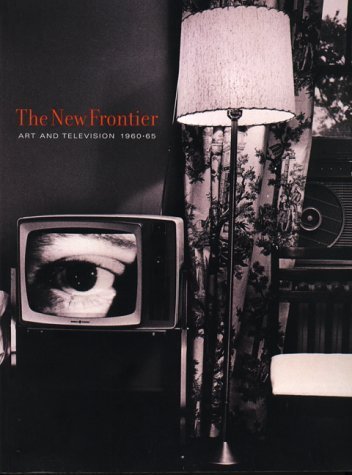
The New Frontier. Art and television 1960-65
Metodi di Pagamento
- PayPal
- Carta di Credito
- Bonifico Bancario
- Pubblica amministrazione
- Carta del Docente
Dettagli
- Anno di pubblicazione
- 2000
- ISBN
- 9780967095226
- Autore
- Artisti: Berman Wallace, Conner Bruce, Friedlander Lee, Gotz K.O, ., Hopper Dennis, Jahrling Rolf, Johnson Ray, Kienholz Edward, L, Eve Manfred, Maciunas George, Moore Peter, Mulas Ugo, Ono Yoko, , Paik Nam June, Rauschenberg Robert, Rosenquist James, Vostell
- Pagine
- 102
- Editori
- Austin Museum of Art, Austin, Texas
- Soggetto
- Video
- Descrizione
- brossura
- Lingue
- Italiano
- Legatura
- Brossura
Descrizione
Television emerged as the dominant mass medium in the United States during the era that President John F. Kennedy termed the New Frontier. Although television would soon be decried as "a vast wasteland," during this era artists began to engage with the medium in a sustained manner for the first time--and not just as an object to be pictured, but as a system that demanded a renegotiation of the relationship between the realms of art and life. The New Frontier is the catalogue of the first exhibition to examine the impact of television on the visual arts in the United States at a crucial period in the development of both. With a lively selection of nearly seventy-five paintings, sculptures, installations, films, videos, photographs, and documents from the United States and Europe, it explores how twenty artists, including Wallace Berman, Bruce Conner, Lee Friedlander, Dennis Hopper, Edward Kienholz, Yoko Ono, Nam June Paik, Robert Rauschenberg, Wolf Vostell, Andy Warhol, Tom Wesselmann, and Garry Winogrand, responded to the increased prominence of television in daily life during the early 1960s. Working in modes and styles as varied as collage and assemblage, Pop Art, Color Field Painting, Fluxus, Performance Art, and documentary photography, these artists engaged with the perceptual, technological, and social changes catalyzed in part by the emergence of television as the dominant mass medium. — Testi: Ferrer Elizabeth, Shamaly Erica et al. F.to: 29x23; pagg. 102; COL e BN; rileg. brossura. Editore: Austin Museum of Art, Austin, Texas, 2000.
