Punk: periodical collection
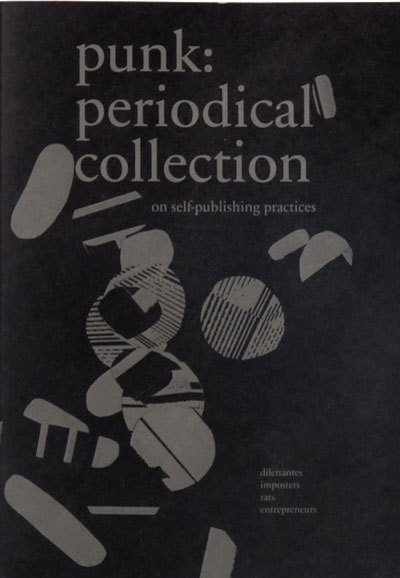
Punk: periodical collection
Metodi di Pagamento
- PayPal
- Carta di Credito
- Bonifico Bancario
- Pubblica amministrazione
- Carta del Docente
Dettagli
- Anno di pubblicazione
- 2012
- ISBN
- 9789072076571
- Pagine
- 192
- Editori
- Jan van Eyck Akademie, Maastricht
- Soggetto
- Magazine Guide and Index
- Descrizione
- brossura
- Lingue
- Italiano
- Legatura
- Brossura
Descrizione
Punk: periodical collection, On self-publishing practices, a book by Paul Gangloff, assembles interviews interspersed with a series of collages made during a collective graphic experiment at the Jan van Eyck Academie. In the series of interviews, Christophe Boutin, Didier Christen, Hans-Christian Dany, Stephan Dillemuth, Martijn Haas, Roberto Ohrt, Gee Vaucher and others speak about anarcho-punk, bohemian research, city magazines, design, Do-It-Yourself, fanzines, open houses, imposters, insults, means of production, post-punk, pre-Xerox, self-organization, the Situationist International, strategy and zines. “The first half of fanzine stands for fan as in fanatic. The fan makes a fanzine about his or her idol. The word punkzine came as a substitute at a point when punk rejected fanaticism, which has to do with adoration. Zines are not designed; rather, they are made. Making a zine could be a way to become a designer, but it may also be a way out of the position of designer. On the one hand, it is a question of self-empowerment: rather making a zine than inscribing oneself into existing magazines. On the other hand, it is about overstepping the boundaries of a profession, in order to play several roles as a dilettante. Punkzines are not solely interesting as the visual style of a bygone epoch, as a “source of inspiration” or for direct recuperation. Rather, things may be learned from a study of the spirit in which they were made.” — Testi: Gangloff Paul. F.to: 16,5x23,5; pagg. 192; BN; rileg. brossura. Editore: Jan van Eyck Akademie, Maastricht, 2012.
